EDITORIAL CHECK
Source and Review Basis
Base-makeup guides prioritize label reading, sun protection, and failure signals by skin condition rather than product claims. Ingredient and function wording is checked against cosmetic-label and dermatology references.
People typically look for a winter glow makeup guide when cold weather makes makeup look dry, patchy, or dull, even though they still want radiant skin. If you do not separate dry-skin comfort, hydration balance, and glow placement, winter makeup can look heavy instead of fresh. This guide explains why winter glow makeup needs a different logic from summer makeup and how to keep radiance visible without making the face look overloaded.
What should you prioritize first in winter glow makeup
- Start by checking whether the skin feels comfortable before chasing visible glow.
- Dry-skin base makeup works better when the surface feels settled, not over-coated.
- Radiance typically looks cleaner when it is placed on selective areas instead of spread across the whole face.
- In cold weather, reducing lifting and cracking typically matters more than creating maximum shine.
Winter makeup frequently looks wrong not because there is too little glow, but because dry skin is being asked to carry too much product. On those days, the better result typically comes from building comfort first and adding a lighter glow after the surface already feels calmer.
If you want the wider structure before narrowing down to the winter version, start with K-Beauty Base Makeup Tips for Smooth Skin That Lasts. This article is the colder-weather branch focused on glow and dry-skin balance.
Why does dry-skin base makeup not improve just by adding more moisture
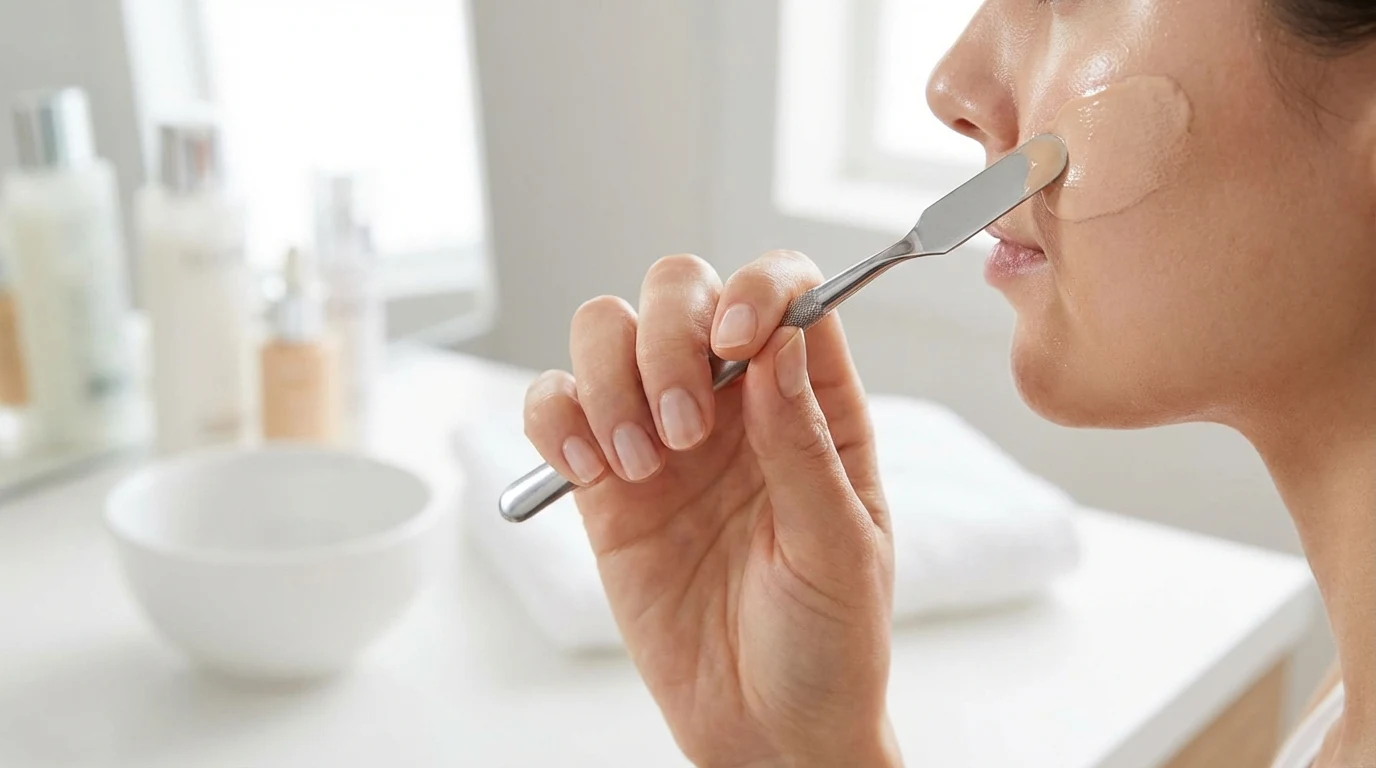
For dry-skin base makeup, the issue is typically not moisture amount alone but how the surface holds it. If skincare stays too heavy on top of the skin, makeup can slide or split later even if the face feels comfortable at first. When hydration absorbs in a thinner, steadier way, the glow typically looks cleaner and the base feels less fragile.
That is why winter glow makeup works better when hydration and surface finish are treated as separate steps. The goal is not to make the face wet-looking. It is to keep the skin comfortable enough that light can sit well on it later.
Where should radiant skin glow actually be placed
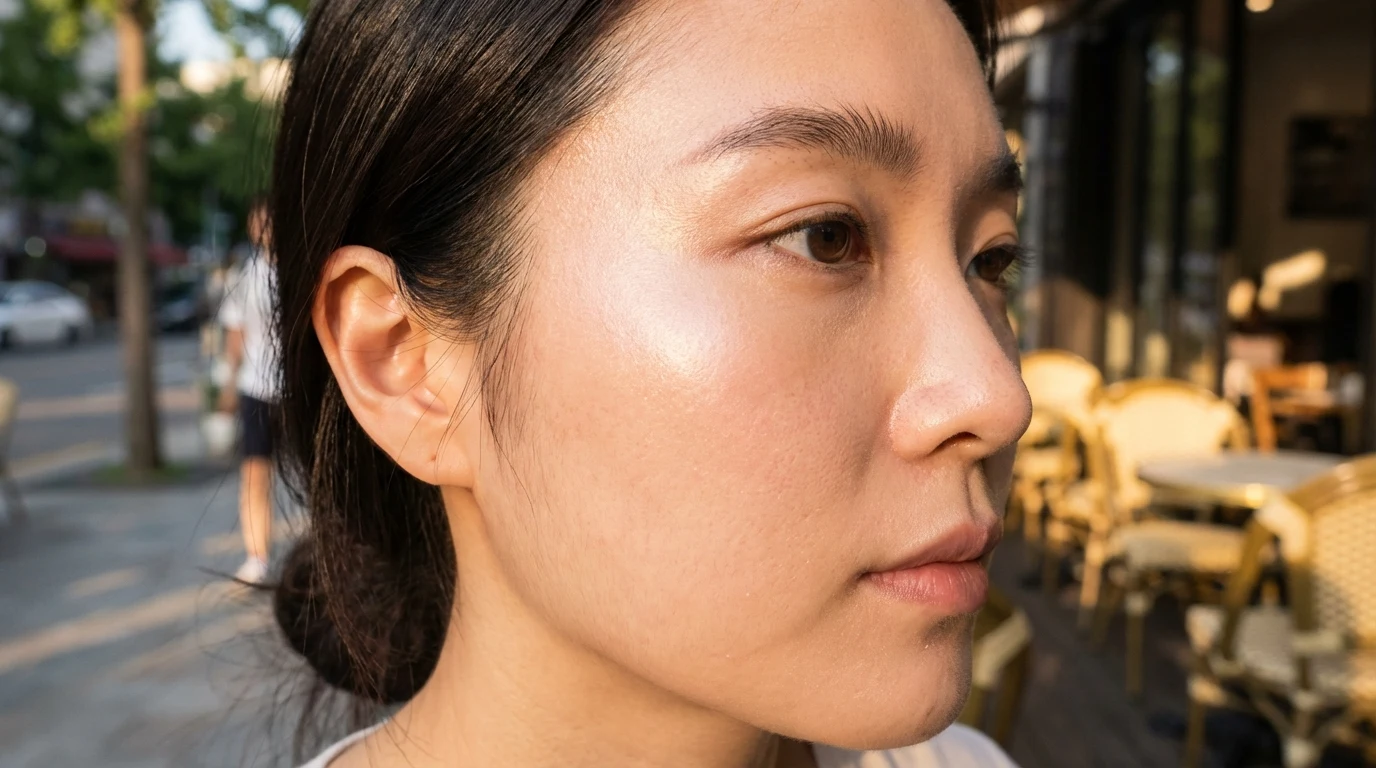
Radiant skin typically looks more natural in winter when the glow stays on the cheeks, upper face, and other areas that benefit from a healthier look. If every zone is made equally shiny, areas like the sides of the nose, the mouth area, and other faster-moving parts can start looking messier instead of fresher. Glow does not need to be everywhere to read well.
This is also the opposite branch from Semi-Matte Base Makeup Guide for Balanced Soft Skin. Semi-matte focuses on calming movement, while winter glow focuses on keeping dry skin comfortable enough that selective radiance still looks clean.
What should you reduce to avoid patchy winter makeup
Patchiness in winter frequently comes not only from dryness but from trying to correct too much with heavier coverage. Layering repeatedly over flaky or tight areas can make the texture stand out more sharply. That is why winter makeup typically looks better when the base stays thin and flexible from the beginning instead of trying to hide every uneven spot.
It also helps not to fix every part of the face the same way. Areas that crack more easily typically need less pressure and less buildup. In winter, comfort frequently matters more than maximum hold.
What are the signs that winter glow makeup has become too heavy
If the skin starts looking stuffy, greasy, or separated after a few hours, the glow may no longer be helping. In that case, the problem is frequently not radiance itself but the fact that hydration and base layers are sitting too heavily together. Winter glow should still look calm. Once it starts moving too much, the face can look more tired instead of healthier.
That is why the useful stopping point matters. Good winter glow is typically less about adding more shine and more about knowing when the skin already looks comfortable enough.
What is the main rule behind the winter glow makeup guide overall
Good winter glow makeup is closer to skin that looks calm, cushioned, and lightly radiant than to skin that looks glossy everywhere. If you want a stronger winter base, the better rule is to keep the skin comfortable first and place glow only where it helps the face look healthier. Once that balance is right, dry-weather makeup tends to look much cleaner.
With this article, the base makeup cluster now covers cushion choice, semi-matte balance, summer longevity, and winter glow. Once you understand how the goal changes by season, product choice becomes much easier.
How should winter glow makeup be layered so it stays cleaner
In winter, order matters more than volume. The skin typically does better with a thin comfort-focused hydration layer first, a lighter base second, and selective glow only after the surface already feels settled. If radiance is pushed too early or too heavily, hydration and base layers can start separating instead of working together.
This is especially important around areas that crack or move more, such as the sides of the nose and around the mouth. Those parts rarely need the same amount of glow as the cheeks or upper face. Winter radiance typically looks best when it is distributed unequally on purpose instead of spread everywhere.
Touch-ups should follow the same logic. Rebuilding the whole base frequently makes winter makeup look heavier. It typically works better to calm the disrupted area first and then restore only the glow that truly disappeared.
What should product choice focus on first in winter glow makeup
People frequently shop for glow first, but winter skin typically asks for surface comfort first. A product that looks less exciting initially can still be far more useful if it keeps the skin from splitting, tightening, or turning patchy later. In practice, clean winter glow depends more on how calm the skin looks after hours than on how radiant it looks in the first minute.
Season changes familiar products too. A base that felt balanced in summer may feel dry in winter, while a rich product that seems perfect at first can become too heavy under indoor heating. That is why winter glow makeup is less about chasing one magical glow product and more about watching what your skin still looks comfortable wearing.
How should winter glow change across different skin types
Dry skin typically needs overall surface comfort first, which means preventing lift and tightness matters more than maximizing shine. Combination skin frequently needs a split approach instead: keeping drier areas cushioned while leaving faster-moving or oil-prone zones lighter. Even oilier skin types can look flat in winter if everything is forced too matte.
That is why winter glow cannot be one uniform finish. Different parts of the face frequently need different amounts of softness, product weight, and visible radiance. Once that becomes clear, winter glow stops looking like a trend and starts looking like a more precise way of controlling winter texture.
Winter glow makeup is strongest when skin comfort comes first and visible glow comes second.
Dry-skin base makeup typically looks cleaner when hydration settles thinly rather than sitting heavily on the surface.
Radiance looks more natural when it stays focused on selective areas instead of turning the whole face equally shiny.