EDITORIAL CHECK
Source and Review Basis
Base-makeup guides prioritize label reading, sun protection, and failure signals by skin condition rather than product claims. Ingredient and function wording is checked against cosmetic-label and dermatology references.
People typically look for a semi-matte base makeup guide when glow-heavy makeup starts breaking down too quickly, but fully matte makeup feels too dry or rigid. If you do not separate long-wear balance, soft matte texture, and summer makeup behavior, the result can look clean at first and tired a few hours later. This guide explains when semi-matte base makeup makes the most sense and how to keep the skin controlled without making it look lifeless.
When semi-matte base makeup makes the most sense
- It works well when oil rises quickly but a fully matte look feels too flat.
- It helps when the nose and chin break down first while the cheeks still need some comfort.
- It frequently fits summer makeup better because it reduces surface movement without heavy dryness.
- It can be the middle ground when dewy makeup starts looking too shiny by midday.
- Best wear check: look at the sides of the nose, upper lip, and chin after 3 to 4 hours, not only at the first mirror check.
- Amount rule: use thin base first, then add powder only where movement appears fastest.
The advantage of semi-matte base makeup is that it does not force the whole face into one dry finish. It gives you softer control, so the skin can still look alive while staying easier to manage. That is why it frequently feels more realistic than fully matte makeup in everyday wear.
If you want the wider base structure before narrowing down to this finish, start with K-Beauty Base Makeup Tips for Smooth Skin That Lasts. This article is the sub-guide focused specifically on the semi-matte branch.
Semi-matte is especially useful when the skin has two different problems at once: visible shine in the center and dryness or texture on the outer face. A fully dewy base can make the center look loose, while a fully matte base can make the cheeks look tired. The semi-matte method works because it accepts that the face needs different levels of control.
Keeping soft matte skin from looking dry
The key is not removing all oil but reducing how much the surface keeps moving. If skincare is too heavy and powder does all the correction, the base can crack later even if it looks neat at first. When hydration stays in place but the surface is lightly settled, the skin typically looks softer and less shiny without turning visibly dry.
That is why semi-matte base makeup works better when prep is divided by area. Cheeks and drier zones need comfort, while the sides of the nose and chin frequently need a lighter, more controlled finish. The result typically looks better when the whole face is not treated like one texture problem.
Skin prep should still contain water and comfort. Glycerin and hyaluronic acid help the skin feel hydrated, while panthenol or beta-glucan can reduce that tight feeling that makes matte finishes look harsh. The difference is that the final skincare layer should not stay slippery. If the moisturizer remains glossy after 10 minutes, blot lightly before base rather than adding powder later to fight the slip.
Powder placement is the dry-skin danger zone. Powdering the cheeks heavily can make semi-matte look older and flatter than intended. Keep the soft blur mostly around the center of the face, then let the cheeks retain a small amount of flexibility.
Application order before formula claims
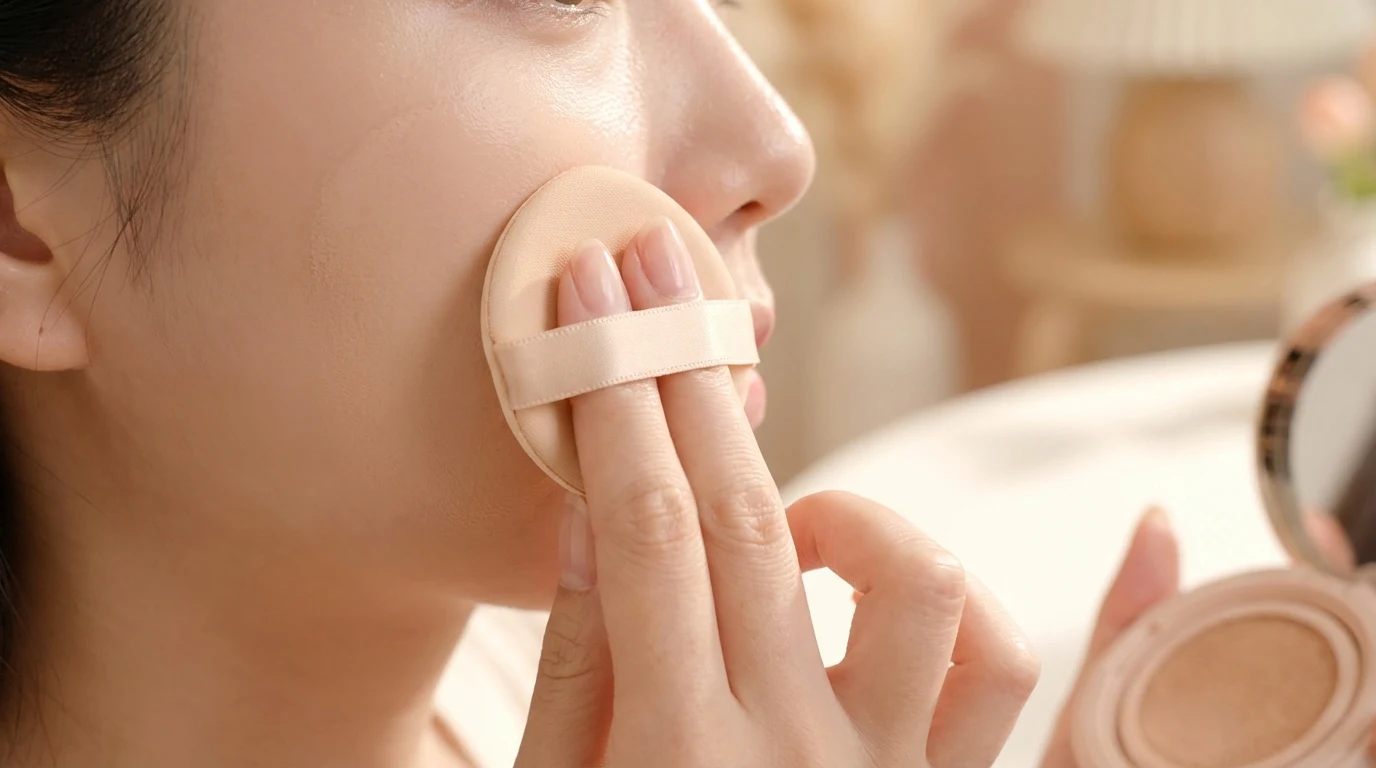
Formula matters, but order changes the outcome more than many people expect. If the skin is still moving when base products go on, the finish can slip no matter how good the texture sounds. If the base is spread thinly and then pressed back into place, the surface typically stays calmer for longer. Long-wear semi-matte makeup is typically built through thinner layers and better settling, not through more product.
This connects naturally to How to Choose a Cushion Foundation by Skin Type. Whether you use a cushion or another base format, the useful semi-matte version is typically the one that looks cleaner when layered lightly instead of fuller in one thick pass.
Use this order as a practical baseline: skincare, settling time, thin base, press, pinpoint concealer, then targeted powder. If powder goes on before the base has been pressed, it can grip uneven wet spots and create patchiness. If concealer goes on too early and too widely, the semi-matte finish becomes coverage-heavy instead of soft.
Formula still matters, but claims need context. Silica, starches, and soft-focus powders can reduce surface shine. Dimethicone can smooth texture and help products spread. Film-forming ingredients can support wear, but they do not fix a base that was applied too thickly. The order decides whether those formula benefits show up cleanly.
Semi-matte in summer makeup
In hot weather, glow-heavy makeup can start beautifully and become harder to control once sweat and oil rise together. Semi-matte base makeup starts from a quieter surface, so touch-ups stay simpler later. That makes it especially practical for combination skin or for anyone whose T-zone turns shiny much faster than the rest of the face.
This does not mean locking the whole face down with powder. The useful approach is still targeted control. Semi-matte is less a year-round rule than a balancing finish for days when extra movement is the main problem.
In summer, the semi-matte advantage appears during touch-ups. If the base starts from a calmer surface, blotting and a small cushion tap can restore the center without rebuilding the whole face. If the base starts too glossy, every touch-up has to fight oil, sweat, and product movement at the same time.
For humid weather, keep the first layer thinner than you think you need. A slightly softer coverage level at 9 a.m. can look cleaner at 2 p.m. than a perfect full layer that breaks apart. Semi-matte is not about making the face dry; it is about keeping the surface easy to reset.
When semi-matte base starts looking too heavy
Semi-matte typically starts failing when the skin is already dehydrated underneath and only the top layer is being controlled. In that case, the face can look rougher and more tired instead of smoother. On dry or flaky days, the problem is frequently not the semi-matte idea itself but the lack of enough comfort before the base goes on.
That is why semi-matte makeup should not be treated as the opposite of glow. It works better as a finish that simplifies shine and movement while still leaving some flexibility in the skin.
The warning signs are easy to see in motion. Smile lines look powdery, the skin beside the nose forms small dry ridges, and the cheek texture becomes more visible even though shine is controlled. When that happens, the fix is not more powder. Reduce coverage in flexible areas, use less setting product around expression lines, and keep a thinner moisturizer under the base.
If the skin is dehydrated, semi-matte should be delayed until comfort returns. A finish cannot solve a barrier problem. On those days, the better move is a lighter controlled-glow base or a semi-matte center with more comfort left on the cheeks.
The main rule behind the semi-matte base guide
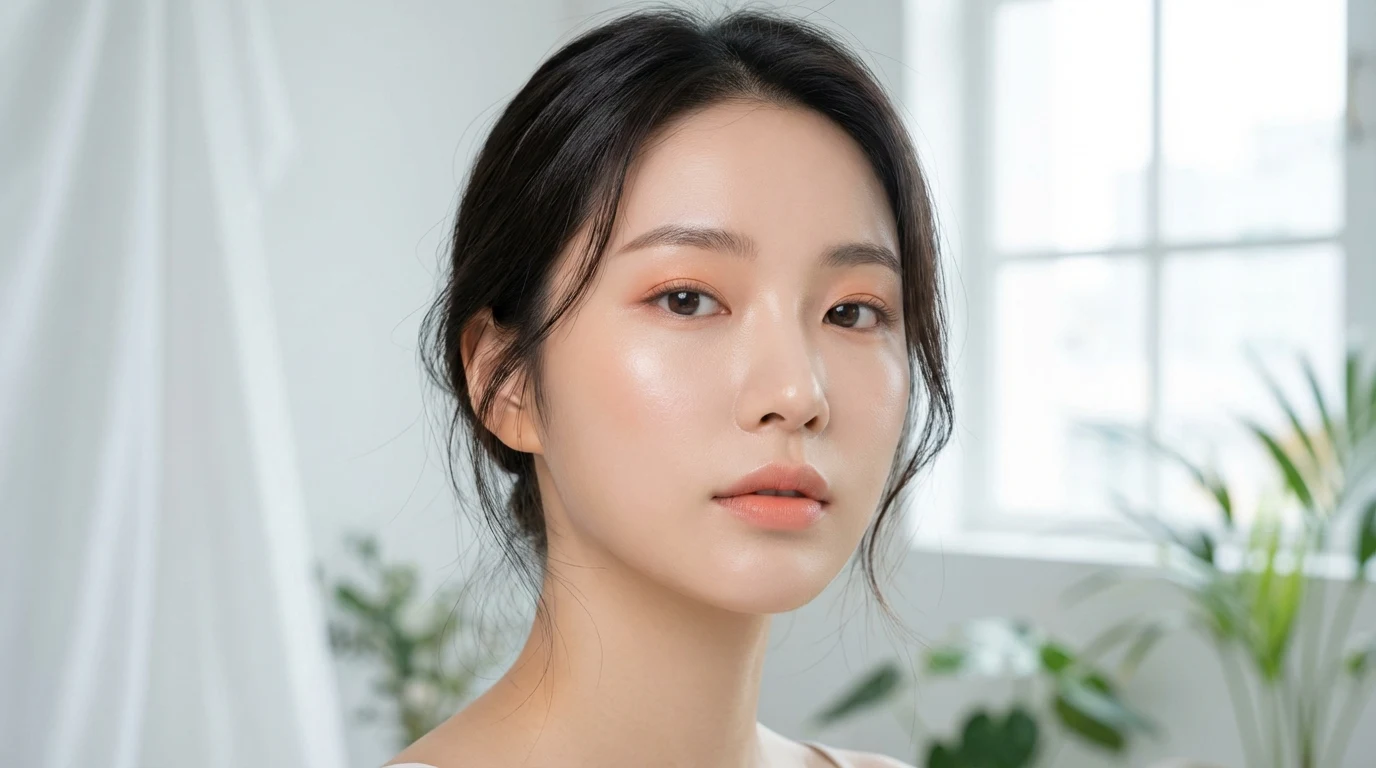
Good semi-matte base makeup is closer to skin that looks calm and organized than to skin that looks powdered flat. If you want better wear, the more useful rule is to treat oily zones and dry zones differently instead of chasing one finish label alone. Once that balance is in place, semi-matte becomes one of the most practical everyday base directions.
From here, the natural next branch is Long-Lasting Summer Makeup Guide for Heat and Oil, where heat, sweat, setting spray, and oil control matter more directly. At this stage, the important point is understanding that semi-matte is not anti-glow. It is a balance finish.
A good semi-matte routine should pass two checks. First, the center of the face should look calmer after several hours than it would with a dewy base. Second, the outer face should still look like skin, not a dry shell. If both checks are true, the finish is doing its job.
Semi-matte base makeup works by calming surface movement, not by stripping every trace of glow from the face.
Soft matte skin typically looks better when hydration stays in drier zones and control stays focused on the faster-moving areas.
It frequently becomes most useful in summer makeup or on oilier days because touch-ups stay easier and less messy.