EDITORIAL CHECK
Source and Review Basis
Seongsu guides separate fixed-place advice from pop-up and cafe variables, using Seoul tourism neighborhood references and city pop-up examples as the baseline.
People searching for the best things to do in Seongsu-dong typically want more than a list of popular pop-ups. They want to know exactly which subway exit to use, how many minutes it takes to walk between cafes, and how to avoid the weekend crowds. Seongsu is a 1.5-kilometer stretch of former shoe factories turned into flagship stores, coffee roasteries, and independent boutiques. This guide provides a concrete walking route so you can navigate the pop-up stores, cafe photo spots, and industrial alleys efficiently.
Where should you start your Seongsu-dong route?
- How to get there: Take Seoul Subway Line 2 to Seongsu Station, Exit 3 or Exit 4.
- Recommended time to visit: 11:00 AM for cafe seating, or 2:00 PM to 4:00 PM for peak pop-up activity.
- Estimated duration: 3 to 4 hours (including 1 hour for cafe wait times and 45 minutes for a pop-up queue).
- Crowding/Precautions: Weekends draw heavy foot traffic. Expect 30-minute waits at popular bakeries by 1:00 PM. Book reservations on the CatchTable app if possible.
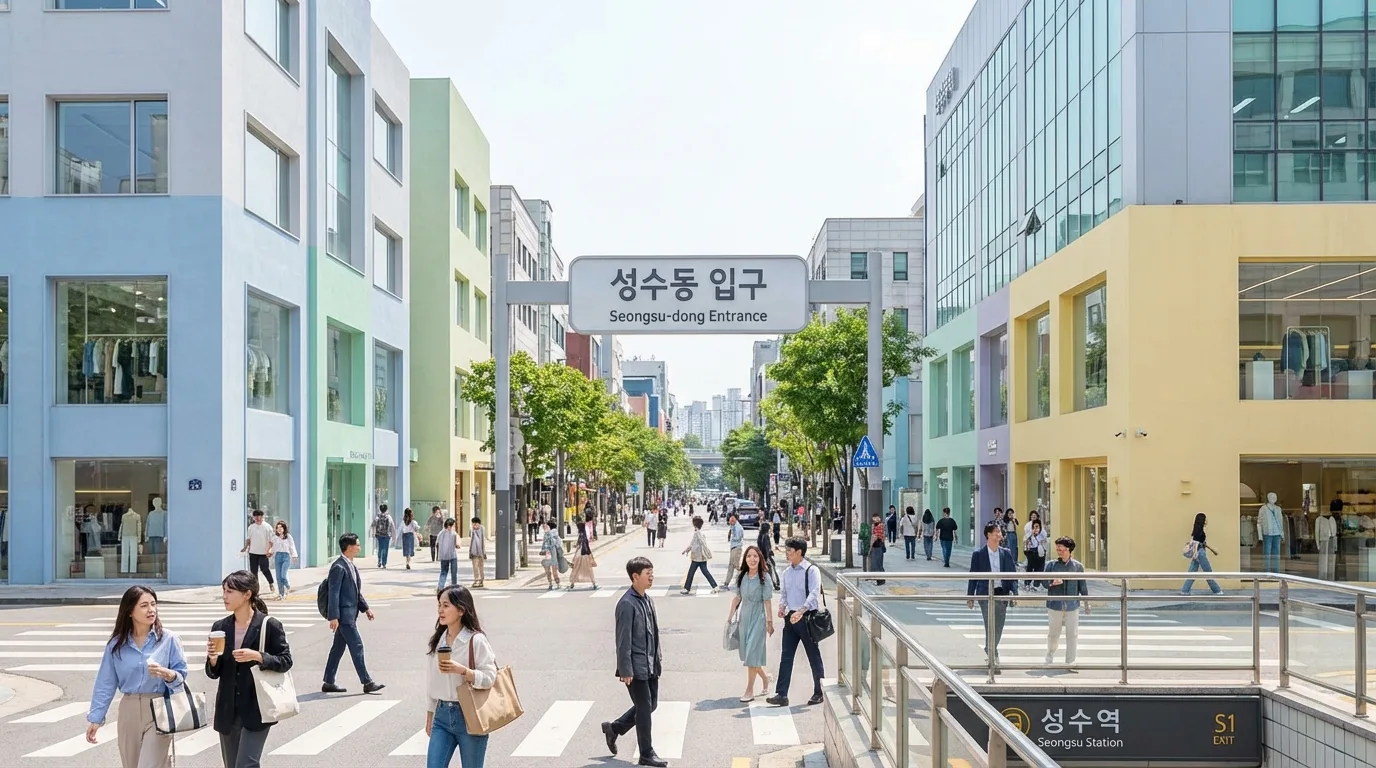
Start your walk at Seongsu Station Exit 3. As you descend to street level, the immediate right turn drops you onto Yeonmujang-gil, the primary 800-meter artery of the district. If you dive into every side street immediately, you will quickly hit dead ends of residential parking lots. Stick to the main road for the first 10 minutes to orient yourself.
By 1:30 PM, the sidewalks fill with people holding 6,000 KRW iced Americanos and carrying shopping bags from local streetwear brands. The transition between pop-ups, cafes, and industrial alleys happens fast—you will pass a Dior concept store, a 40-year-old auto repair garage, and a modern espresso bar within a single 50-meter block.
What is the reality of Seongsu-dong pop-up stores?
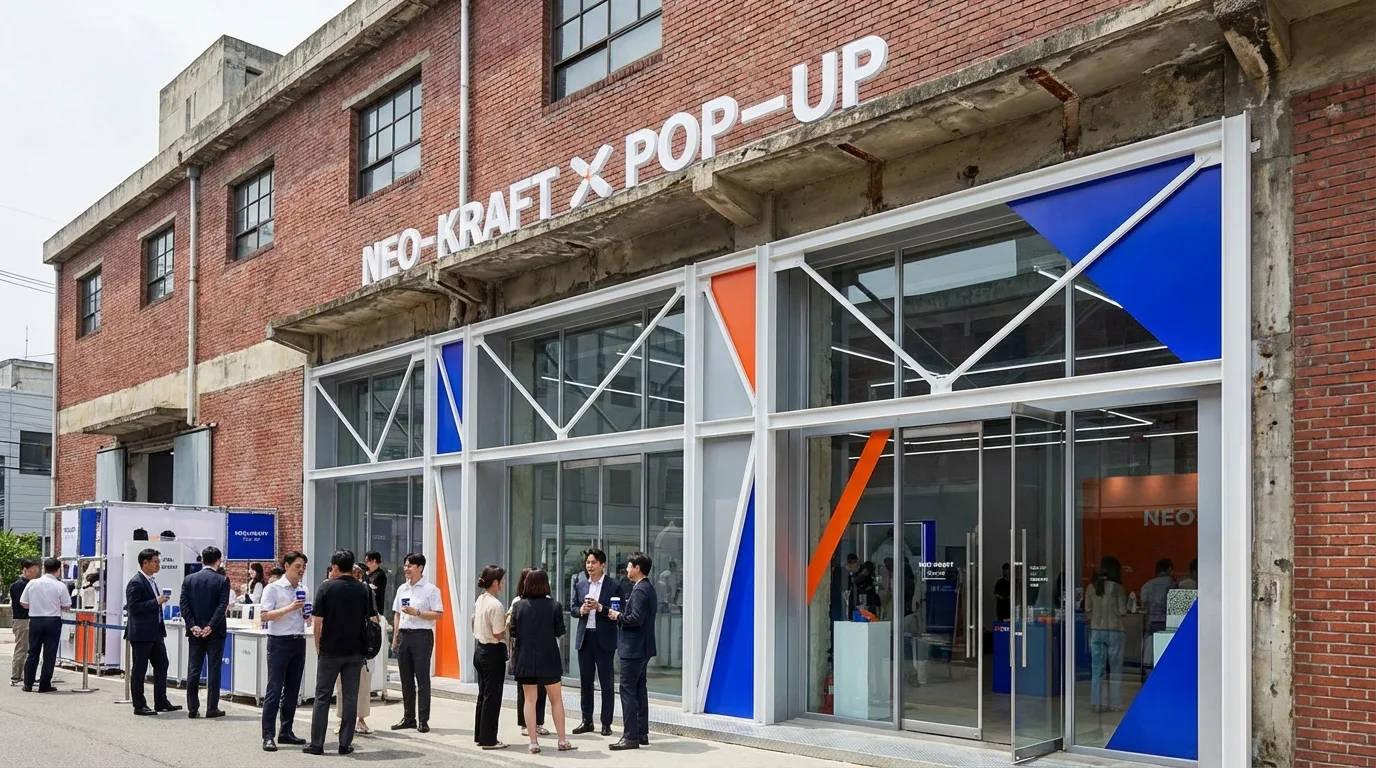
Seongsu hosts an average of 40 to 50 temporary pop-up stores every month. Because the street width is capped at 8 meters, the facades are highly visible. Brands rent out leftover industrial shells for 2-week stints, building elaborate visual stages.
On a Saturday afternoon, queue lines wrap around the block. You will see staff handing out numbered entry tickets or QR codes for waiting lists. Wait times frequently exceed 45 minutes for cosmetics or food pop-ups offering free samples. You do not need to buy anything for the district to feel interesting; just watching the crowds take photos in front of oversized props or mirrored entryways takes up a good hour of a visit.
Why Cafes Anchor the Walking Route
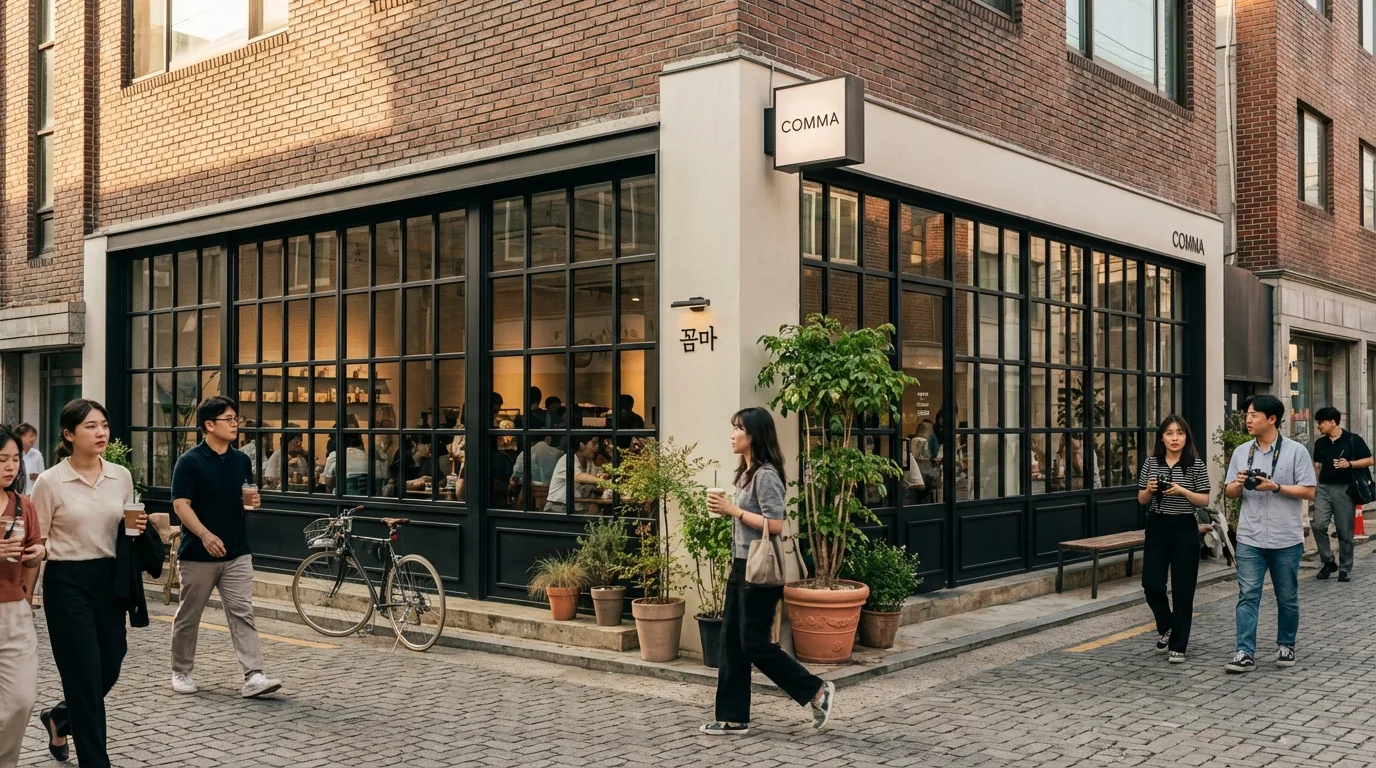
Seongsu cafe culture is defined by massive scale. Unlike the tiny 4-table cafes in Mangwon-dong, Seongsu relies on 300-square-meter warehouse conversions. Places like Onion or Daelim Changgo feature 15-meter high ceilings and exposed concrete walls.
Expect to pay around 7,000 KRW for a signature cream latte. At 3:00 PM, the sunlight hits the tiles and rusted metal doors perfectly, making window seats highly competitive. If you want to secure a good table, arrive before 11:30 AM. The spacing between these mega-cafes is roughly a 3 to 5-minute walk, allowing you to use them as structural checkpoints along your route.
Finding the Remaining Industrial Alleys
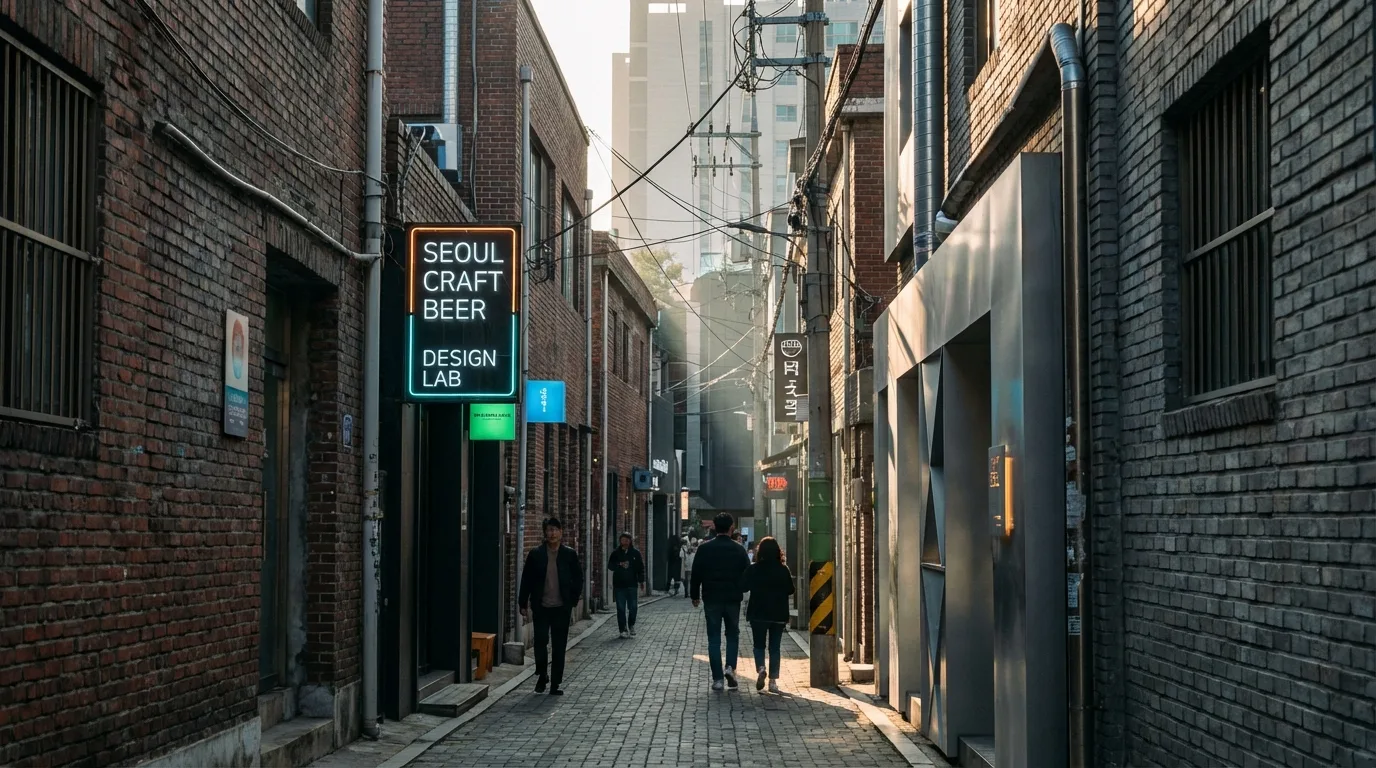
Seongsu still retains 30% of its original handmade shoe manufacturing workshops. If you walk 2 blocks north of Yeonmujang-gil, the polished shopping zone drops away. Here, you will find red brick facades, 3-meter tall sliding metal doors, and the smell of leather and machine oil.
These older structures keep the neighborhood grounded. A clean storefront shot looks much more striking when you capture a rusted forklift or a stack of leather hides in the background. The most authentic alley walks are concentrated between Exits 1 and 2, taking about 20 minutes to explore fully.
Practical Tips for Your First Visit
Seongsu requires walking on uneven pavement and dodging delivery scooters.
- Wear comfortable shoes; you will likely walk over 10,000 steps.
- On weekends, limit yourself to one queue-heavy pop-up.
- Bring a power bank; your phone battery will drain quickly from navigating maps and taking photos.
- Public restrooms are scarce. Use the facilities inside large cafes or at Seongsu Station.
- Most retail stores open at 11:00 AM and close strictly by 8:00 PM.
Who will probably enjoy Seongsu-dong the most?
Seongsu is designed for people in their 20s and 30s who prioritize visual aesthetics, specialty coffee, and limited-edition retail drops. If you want a traditional Korean market experience, go to Gwangjang Market. If you want loud 2:00 AM nightlife, head to Hongdae or Itaewon. Seongsu is best enjoyed during daylight hours, ideally wrapping up with a 45,000 KRW natural wine dinner by 7:30 PM.
From here, use our sub-guides to plan specific stops. For brand-space routing, continue to Seongsu Pop-Up Store Guide. For facades and cafe-focused photography, use Best Seongsu Cafe Photo Spots.
Start at Seongsu Station Exit 3 and stick to the 800-meter Yeonmujang-gil road to orient yourself.
Expect 45-minute queues for weekend pop-ups and arrive before 11:30 AM to secure cafe seating.
Mix modern cafes with the quieter industrial alleys north of the main street for the best photography.