EDITORIAL CHECK
Source and Review Basis
Skincare guides prioritize cleansing, moisturizing, irritation signs, and label reading over trend terms. Toner pad, glass-skin, and sheet-mask wording is checked against cosmetic-label and dermatology references.
People searching how to use toner pads properly are typically trying to figure out a few practical things at once: whether wiping toner every day is really necessary, how long calming pads should stay on the skin, and when exfoliating care starts making the face feel more reactive instead of smoother. The important distinction is not the pad itself but the reason you are reaching for it that day. This guide breaks down when toner pads make sense, when they become too much, and where they fit inside a Korean skincare routine.
What should you separate first when learning how to use toner pads properly
- Start by deciding whether your skin needs surface cleanup or calming support more urgently that day.
- Wiping pads typically suit light oil and texture cleanup, while calming pads make more sense for heat and temporary irritation.
- Frequency and pressure matter more than trying to use them every day.
- If the skin feels tight or stingy afterward, reducing use is typically smarter than changing products first.
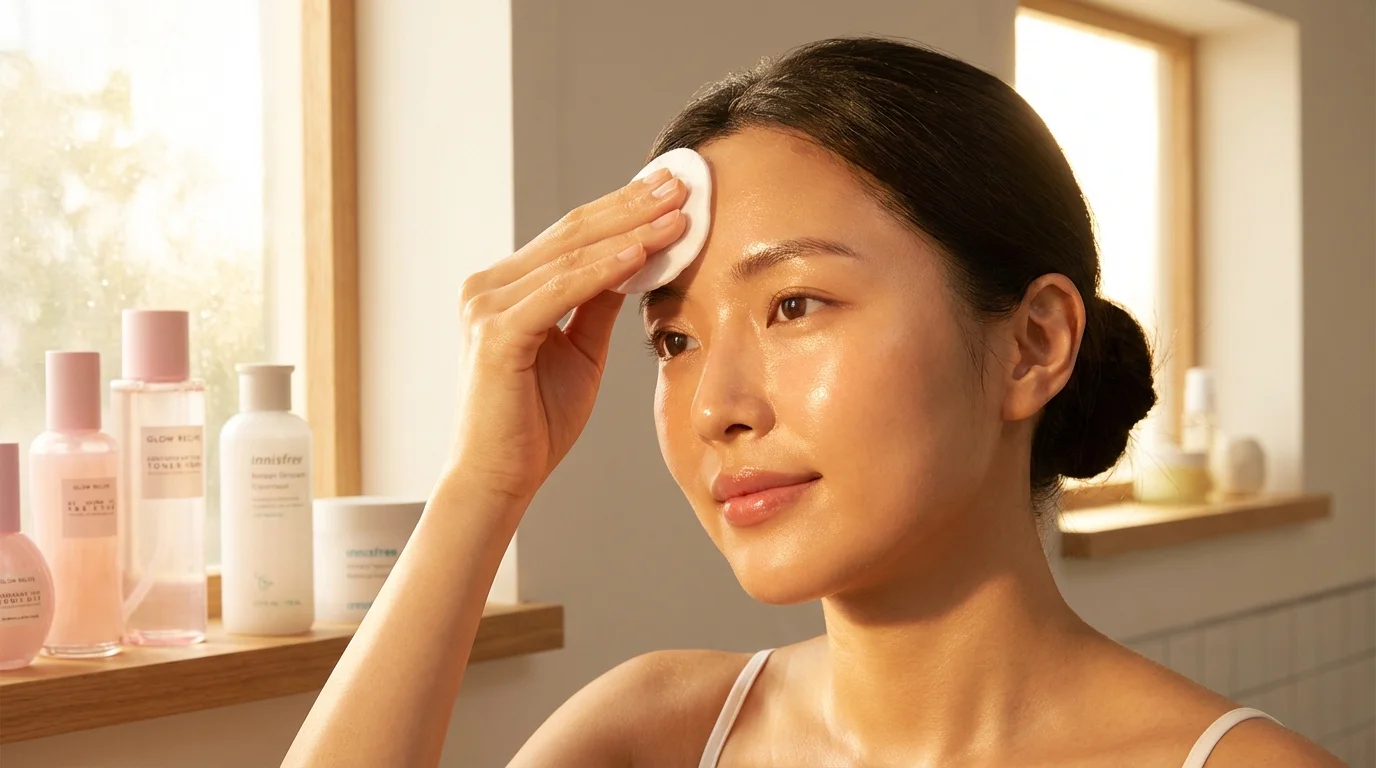
Many people think of toner pads as one fixed skincare step, but they behave differently depending on how you use them. Some days call for a light sweep that helps makeup sit better. Other days call for barely touching the skin and focusing on comfort instead.
If you want the wider routine logic before narrowing into this one step, start with the full Korean Skincare Routine Guide. This article is the more focused version for toner pad use inside that structure.
When does the wiping method help, and when does it become too much
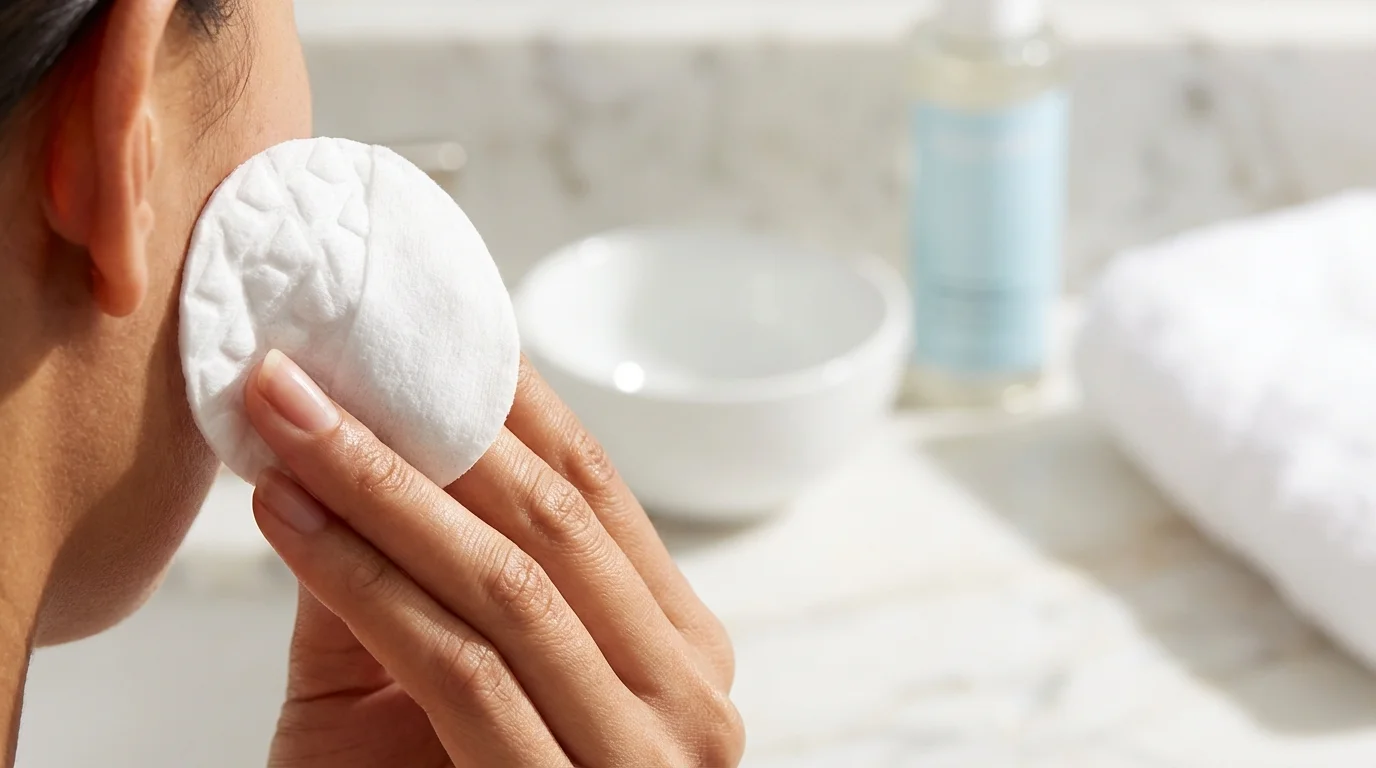
The wiping method can help when you want to lightly remove leftover oil, smooth rough texture before makeup, or make the skin feel cleaner without adding another strong step. It only stays helpful, though, when the pressure stays low and the skin is not already irritated. Repeatedly dragging a pad across the same areas, especially around the nose and chin, can build up more friction than most people realize.
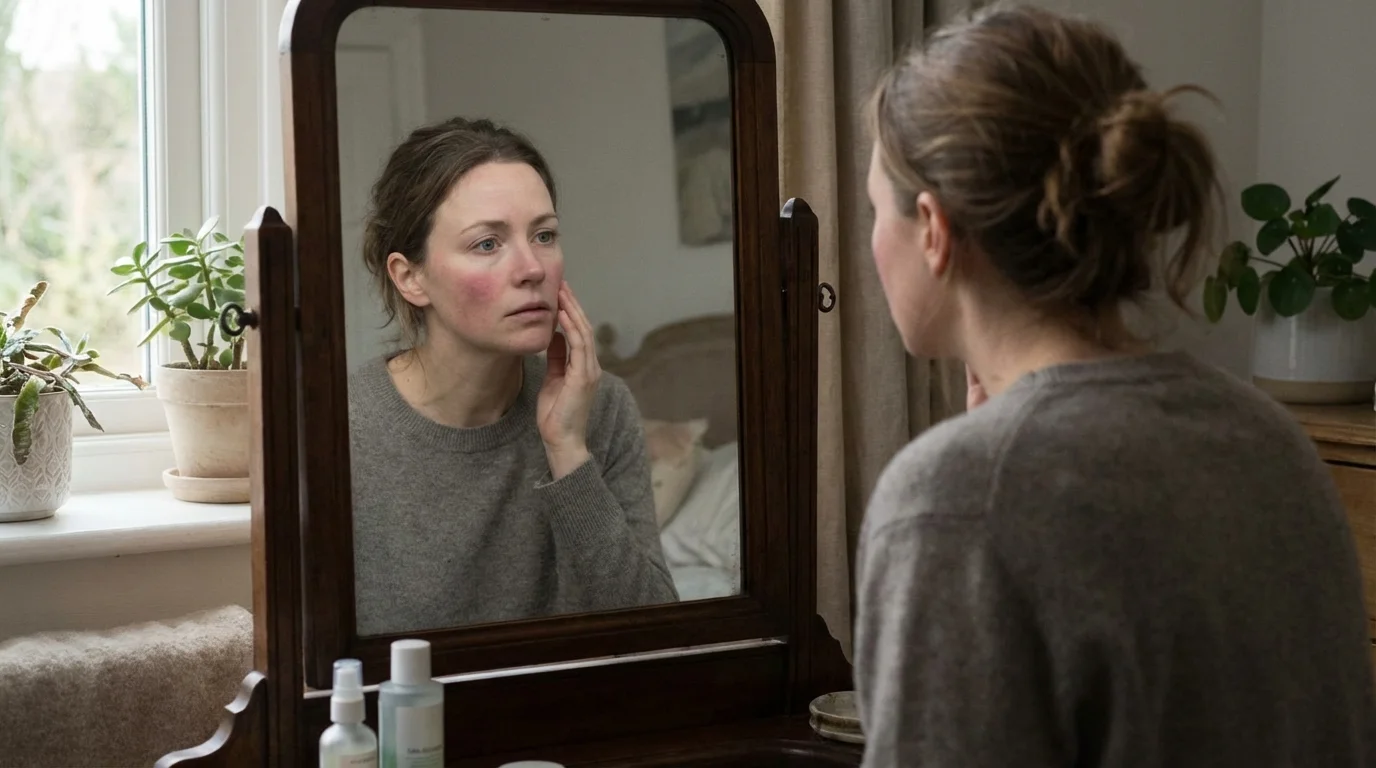
That is why daily use should never be treated like a rule. If your skin already feels dry, flushed, or reactive after cleansing, the roughness you are trying to fix may not be a lack of exfoliation at all. It may be dehydration and irritation showing up as uneven texture.
How should calming toner pads be used in a practical way
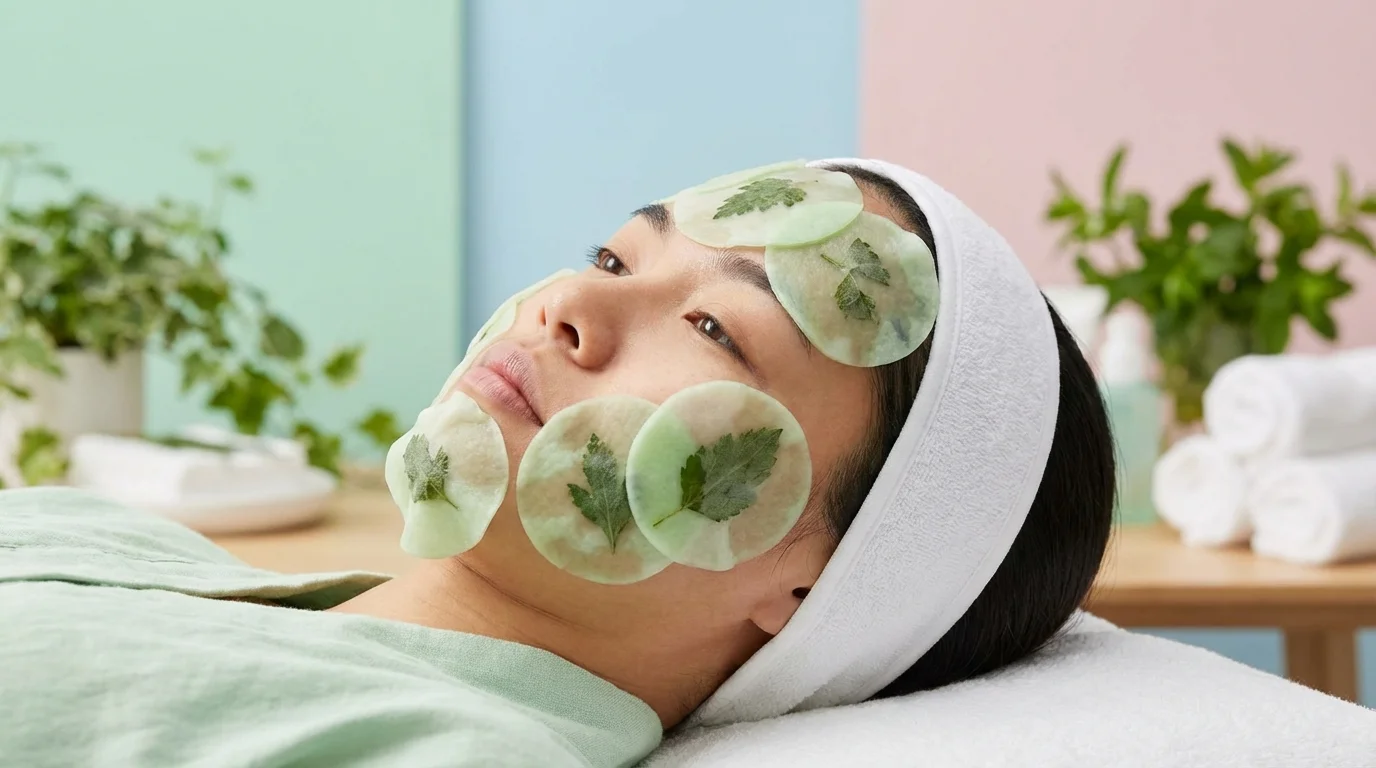
Calming toner pads typically make more sense after heat, shaving, mask friction, or any day when the skin feels overstimulated rather than clogged. In that case, it is frequently better to place them briefly on the areas that need support instead of covering the whole face for a long time. Once the pad starts drying out, leaving it on even longer can make the surface feel less comfortable instead of more hydrated.
This is also where sensitive-skin logic matters. If your skin has been reacting more easily lately, a calmer routine like the one in Gentle Skincare Routine Guide frequently pairs better with toner pads than a heavy texture-correcting routine does.
What are the signs that toner pads are tiring out your skin
If the skin looks smoother right away but feels tight within hours, if the same zones keep turning pink, or if the rest of your routine stings more on pad days, the method may already be too aggressive. In that situation, the first adjustment should typically be reducing frequency, pressure, or the number of passes instead of buying a new product immediately.
Toner pads are supposed to make the routine easier to manage. If they make your skin harder to read, the step is no longer helping as much as it seems to in the mirror.
Should morning and night toner pad use look the same
Morning use frequently works better as light surface prep so sunscreen or base makeup sits more evenly. Night use can lean more toward calming the skin after cleansing if there is leftover heat or tightness. That means the same toner pad does not always need the same job twice a day. If you already wiped the skin in the morning, repeating that exact motion strongly again at night may be more work than the face needs.
If your goal is smoother, glow-friendly texture after toner pad use, the next useful step is typically How to Get Glass Skin with a Korean Skincare Routine, because hydration layering matters more than repeated surface wiping.
What is the most reliable rule for toner pad use overall
The best toner pad routine is typically not the one that uses pads the most frequently. It is the one that responds to what the skin is actually asking for, whether that is a small amount of cleanup or a short calming pause. Good use feels specific, not habitual for the sake of habit.
That is why the most useful test is not the instant smoothness right after application. It is whether the skin feels less dry, less reactive, and easier to manage the next day. If that part is not improving, the toner pad step probably needs less intensity.
What changes toner pad frequency more than skin type alone
Toner pad frequency is harder to predict from dry, oily, or combination labels alone than many people expect. The same oily skin can look rough because it needs cleanup one week and because it is irritated the next. A drier skin type may still want an occasional light wipe before makeup. That is why frequency typically needs to follow condition and routine context more than identity labels.
For someone wearing makeup daily, a light morning wipe may be practical. For someone whose skin turns red easily, using pads every few days or only on selected areas may work far better. Good toner pad use is less about copying a schedule and more about noticing when the skin still looks balanced afterward.
Why does trying to make one toner pad do everything frequently backfire
Many people want one pad to exfoliate, calm, and hydrate all at once, but those jobs do not ask the skin to behave the same way. Wiping and resting a pad on the face are two different types of contact. Trying to force both goals into one heavy use session frequently creates more friction or more surface fatigue than expected.
It also makes the larger routine harder to control. On days with stronger acids, heavier serums, or sheet masks, toner pads can become one extra stress layer instead of a helpful shortcut. Using them well typically means deciding on one purpose at a time rather than turning them into a multi-job fix for everything.
Learning how to use toner pads properly starts with separating wiping care from calming care instead of treating both as the same step.
Low pressure and lower frequency matter more than daily use, and calming pads typically work best when used briefly.
The best result is not immediate smoothness alone but skin that feels less tight and less reactive the next day.