EDITORIAL CHECK
Source and Review Basis
Skincare guides prioritize cleansing, moisturizing, irritation signs, and label reading over trend terms. Toner pad, glass-skin, and sheet-mask wording is checked against cosmetic-label and dermatology references.
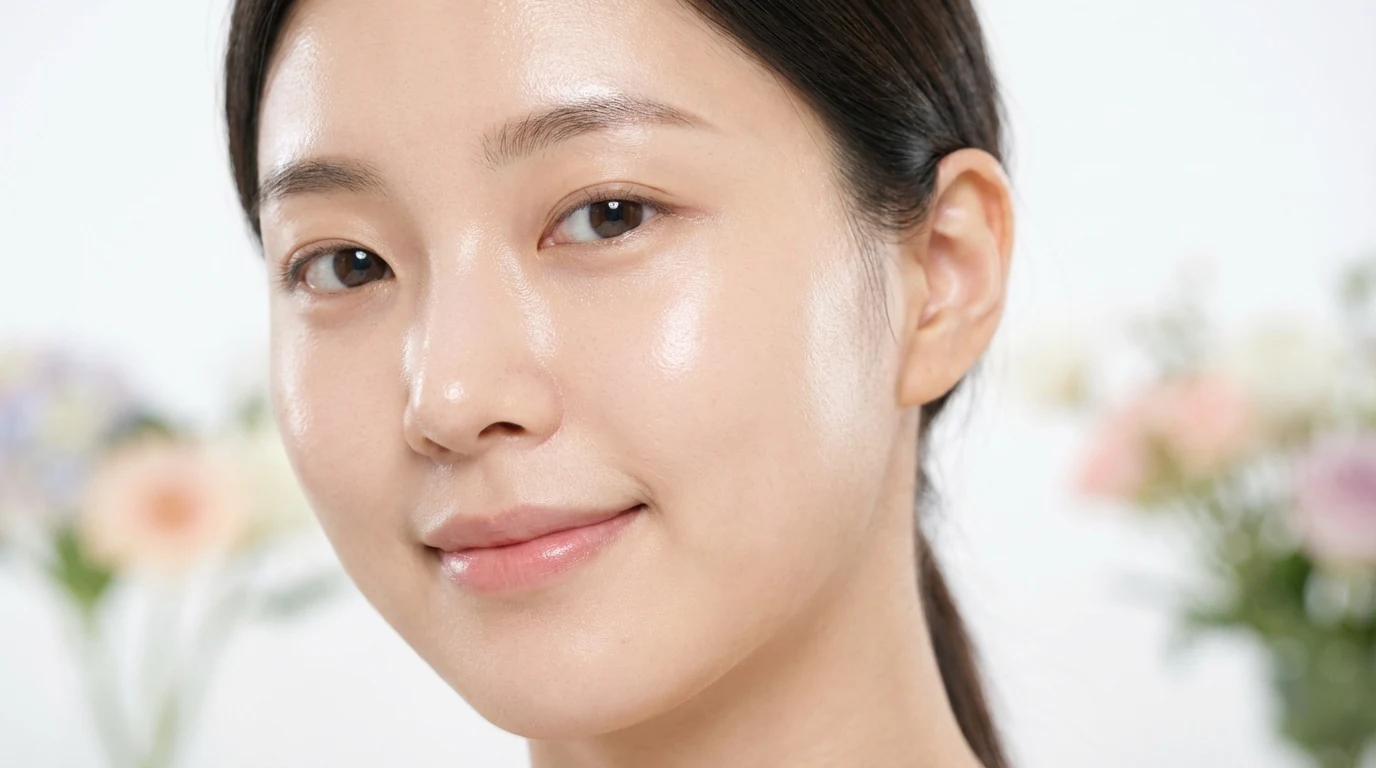
Anyone searching how to get glass skin is typically trying to make skin look hydrated, smooth, and clear without turning greasy or overloaded. The useful part of the goal is not the label itself but the routine logic behind it: calm the skin, layer hydration well, and stop confusing glow with heaviness. This guide explains what glass skin really depends on, which steps matter most, and how to keep the finish believable over time.
The baseline for a glass skin routine
- Glass skin is mostly about even hydration, smoother texture, and a clear surface reflection rather than one miracle product.
- The routine is strongest when the skin barrier feels calm enough to hold moisture without constant irritation.
- Hydration layering matters more than adding the thickest possible finish at the end.
- If the skin already feels congested or inflamed, recovery should come before extra glow-focused steps.
Many people treat glass skin like a shortcut result, but the look comes from consistency rather than speed. When the skin stays less irritated and better hydrated for a few weeks, the surface starts reflecting light more evenly.
If you need the broader step order before narrowing into this finish, start with the full Korean Skincare Routine Guide. That hub explains the structure this glass skin routine depends on.
Why hydration layering comes before heavy shine
Glass skin is easy to misunderstand as a dewy topcoat effect, but heavy shine alone rarely looks healthy. The better version comes from thinner layers that help the skin stay comfortably hydrated from underneath. Toners, essences, or lightweight serums can work well here when each layer has a reason to be there and the skin still feels breathable.
Hydration layering beats product stacking for a simple reason. When the skin is comfortably filled with water and sealed with enough moisture support, the glow looks clearer and less forced than it does with one overly rich finish.
The Korean skincare steps that shape the glass skin look
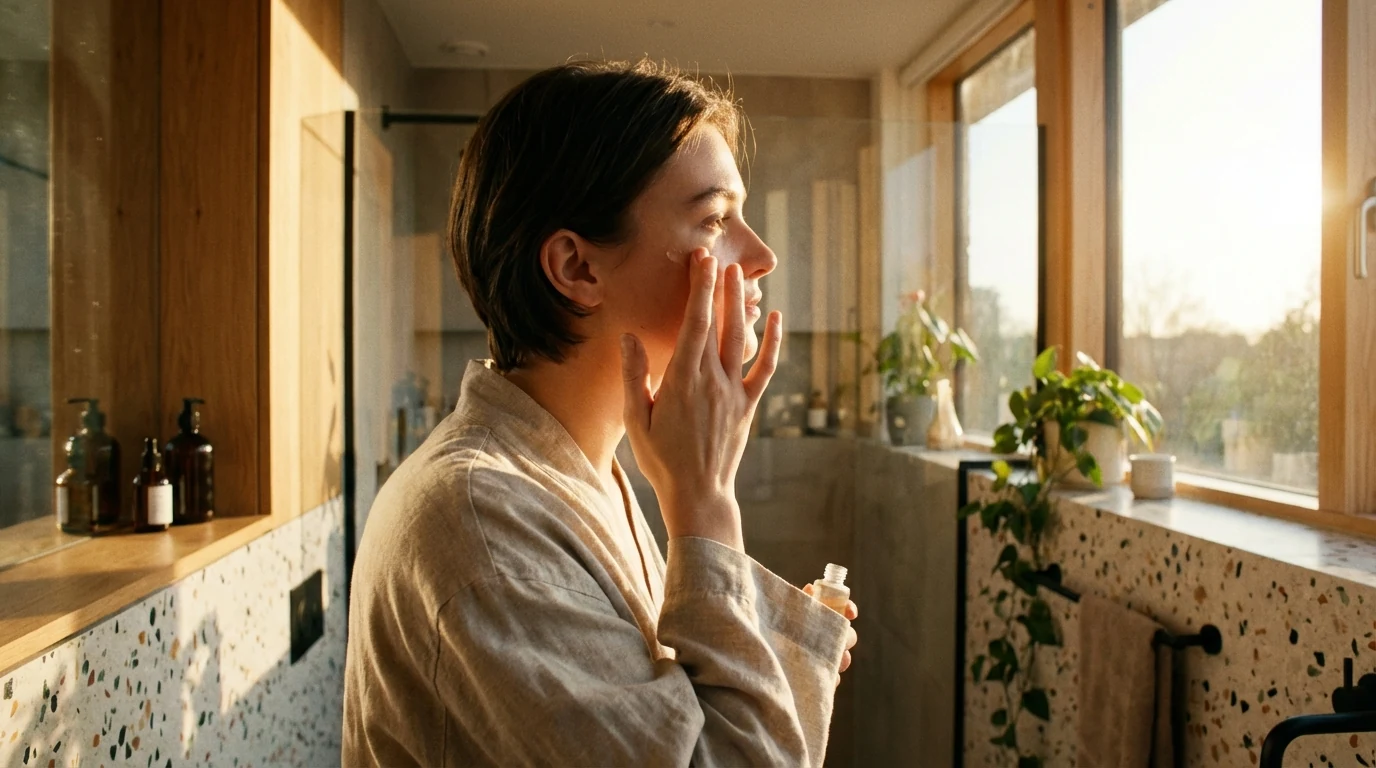
A gentle cleanse, one or two hydrating layers, a moisturizer that seals without suffocating, and daytime sunscreen already shape most of the glass skin effect. For some people, a calming serum helps if redness and roughness are blocking that smoother finish. The main point is not the most products but the cleanest handoff from one step to the next.
The Korean skincare routine part matters because order affects texture. If you apply everything too quickly, combine incompatible textures, or keep pushing active products while the skin is irritated, the finish becomes uneven even when the shelf looks impressive.
Where a glass skin routine starts looking overdone
The routine starts going wrong when every layer is chosen for visible gloss instead of skin condition. Skin that feels sticky, trapped, or hot does not look healthier just because it reflects more light. The same problem appears when exfoliation is too aggressive. Texture may seem temporarily smoother, but the barrier can become less stable and the glow looks thinner within days.
The better test is simple: does the skin feel calmer and more balanced after the routine, or only shinier for a short window. Glass skin should read like healthy maintenance, not like a finish that collapses as soon as the skin gets stressed.
If you want that polished skin mood to carry into the rest of your image, a K-style profile is the most direct next step after the skincare side is working.
When glass skin starts looking believable
For most people, believable glass skin comes more from repetition than from intensity. A few steady weeks of lower irritation, better moisture balance, and less random product switching help more than chasing overnight change. The timeline depends on dryness, sensitivity, breakouts, and how damaged the barrier already feels, but the direction stays the same: stable skin first, stronger reflection second.
The goal is worth keeping realistic. The best version of glass skin is not a perfect mirrored finish. It is skin that looks clearer, calmer, and more evenly hydrated under normal light.
How skin type changes the glass skin approach
Yes, because the same finish is built differently on different skin. Dry skin needs stronger moisture retention and fewer gaps between hydration steps. Oily skin tends to need more water and less heavy sealing, not more shine. Combination skin does best when the amount of product changes by area instead of treating the whole face the same way.
Sensitive skin needs even more restraint. If redness, heat, or reactivity are still high, trying to force glow makes the finish look worse. In that case, a recovery-first approach such as the one in Gentle Skincare Routine Guide for Sensitive Skin Days is more useful before adding extra hydration layers.
Seasonal adjustments that matter
Spring and autumn are the easiest seasons for building glass skin because hydration behaves more predictably. Winter creates surface roughness faster, while summer can make glow look heavier than intended because sweat and oil sit on top of the routine.
- In winter, it helps not to leave too much time between hydrating steps.
- In summer, lighter hydration plus stable sunscreen is typically better than chasing a rich glossy finish.
- During transition seasons, calming the skin matters more than exfoliating every dry patch away.
- Long indoor heating or air-conditioning can mean morning hydration needs more attention than expected.
What blocks a believable glass skin finish
The most common mistake is trying to add glow before the surface is calm enough to carry it. The second is over-exfoliating because the skin looks dull. That can make the skin feel smoother for a short window but weakens the barrier and makes the glow collapse faster later.
Another mistake is stacking too many glossy textures at once. When toner, serum, ampoule, cream, and sleeping products all compete for the same finish, the skin can start looking coated instead of clear. Glass skin is strongest when the routine logic stays simple even if it includes several thin steps.
A beginner structure that stays believable
Beginners do better by stabilizing a small base routine first: gentle cleansing, one or two hydrating layers, a moisturizer that feels comfortable, and daytime sunscreen. Once that feels reliably good for several days, adding one extra hydration-focused step makes much more sense than starting with a complicated glow routine.
Glass skin is easier to build from comfort than from trend pressure. The more stable the routine becomes, the more believable the reflection looks.
What to prioritize when choosing products
People frequently look for the glossiest-looking product first, but glass skin comes from hydration behavior rather than visible shine. Toners should feel easy and hydrating, serums should support comfort more than stickiness, and moisturizers should hold the routine together without creating a coated finish.
For beginners, reliable humectant and barrier-supportive formulas are more useful than highly glamorous "glow" products. Glass skin looks clearer when the skin itself feels balanced, not when a rich top layer forces extra shine.
How morning and night versions should differ
Morning glass-skin routines need to stay lighter so the skin holds hydration without becoming heavy under sunscreen or makeup. Night can carry a little more hydration, but it still is strongest when the skin can breathe comfortably.
- Morning should support stability and light reflection without piling on heaviness.
- Night can add a little more hydration, but it should still stop before the skin feels trapped.
- Makeup days tend to work better with lighter sealing and cleaner layering.
- Sensitive weeks still call for calm barrier support before a stronger glow focus.
Glass skin is less about doing more and more about doing the right few things well.
Glass skin comes more from calm texture and well-layered hydration than from a single glossy product.
A Korean skincare routine helps most when cleansing, hydration, sealing, and sunscreen stay balanced instead of excessive.
The most believable glow appears after a few steady weeks of lower irritation and more consistent moisture balance.