EDITORIAL CHECK
Source and Review Basis
Skincare guides prioritize cleansing, moisturizing, irritation signs, and label reading over trend terms. Toner pad, glass-skin, and sheet-mask wording is checked against cosmetic-label and dermatology references.
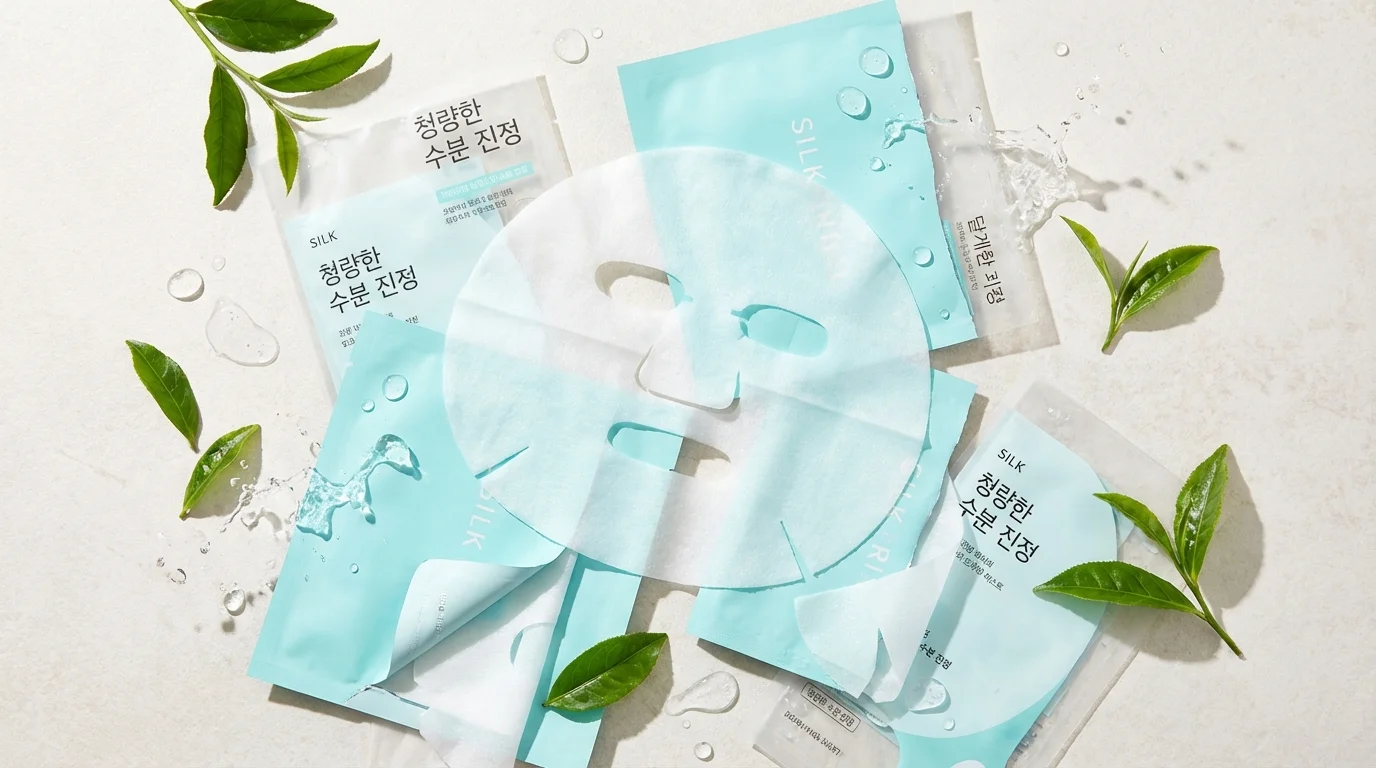
People looking up how to choose Korean sheet masks are typically sorting through the same questions: what really separates hydrating masks from soothing masks, whether sheet masks should be used every day, and how dry or sensitive skin should change the choice. The easiest way to make the category less confusing is to stop thinking about masks as one single skincare step. This guide explains how to choose Korean sheet masks by skin condition, when they make sense in a routine, and why leaving them on too long is not always better.
What should you check first when choosing Korean sheet masks
- Start by asking whether your skin feels dry and depleted or irritated and overheated.
- Hydrating masks typically help more with tightness and rough texture, while soothing masks fit better when the skin feels reactive.
- Day-to-day skin condition can matter more than your fixed skin type, so one mask category does not need to do every job.
- The best choice is not just the one that feels wet right away, but the one that leaves the skin comfortable after use.
One of the most common mistakes is treating every mask like the same kind of moisture step. In practice, a mask that helps dry skin feel fuller and a mask that helps reactive skin calm down can leave very different after-feels on the face.
If you want the broader routine logic before focusing on sheet masks alone, start with the full Korean Skincare Routine Guide. This article narrows that routine down to the mask-selection part.
Which sheet masks typically make more sense for dry or dehydrated skin
If your skin feels tight soon after cleansing and looks rough easily, hydrating masks frequently make more sense as a first direction. In that case, the useful version is not necessarily the richest formula, but the one that adds moisture in a way that still works well with the moisturizer that follows. A mask that feels heavy immediately but leaves the face stuffy may not actually be the best answer for dryness.
Dry skin also does not always need the thickest finish possible. There is a difference between skin that needs water and skin that feels smothered, so the better test is whether the face feels comfortably replenished instead of simply coated.
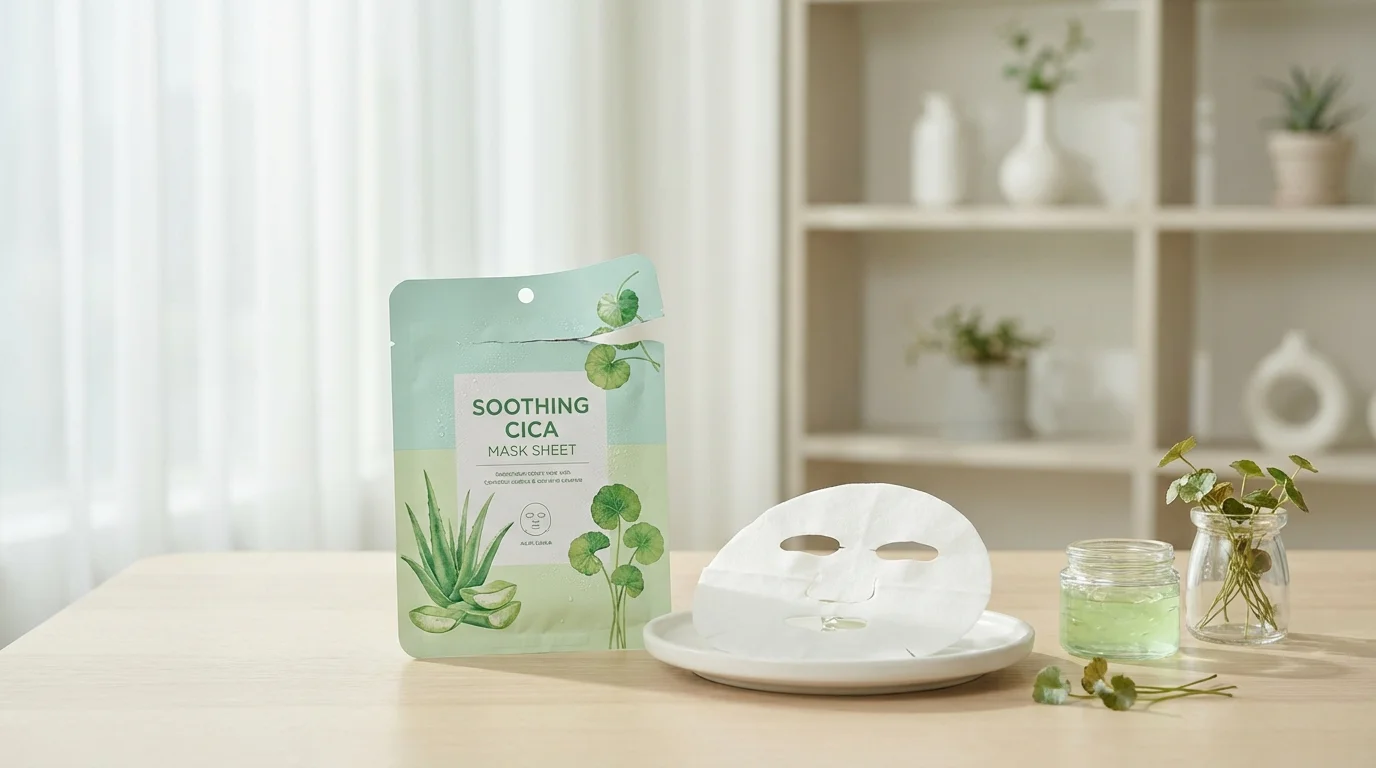
How should you choose soothing sheet masks on sensitive days
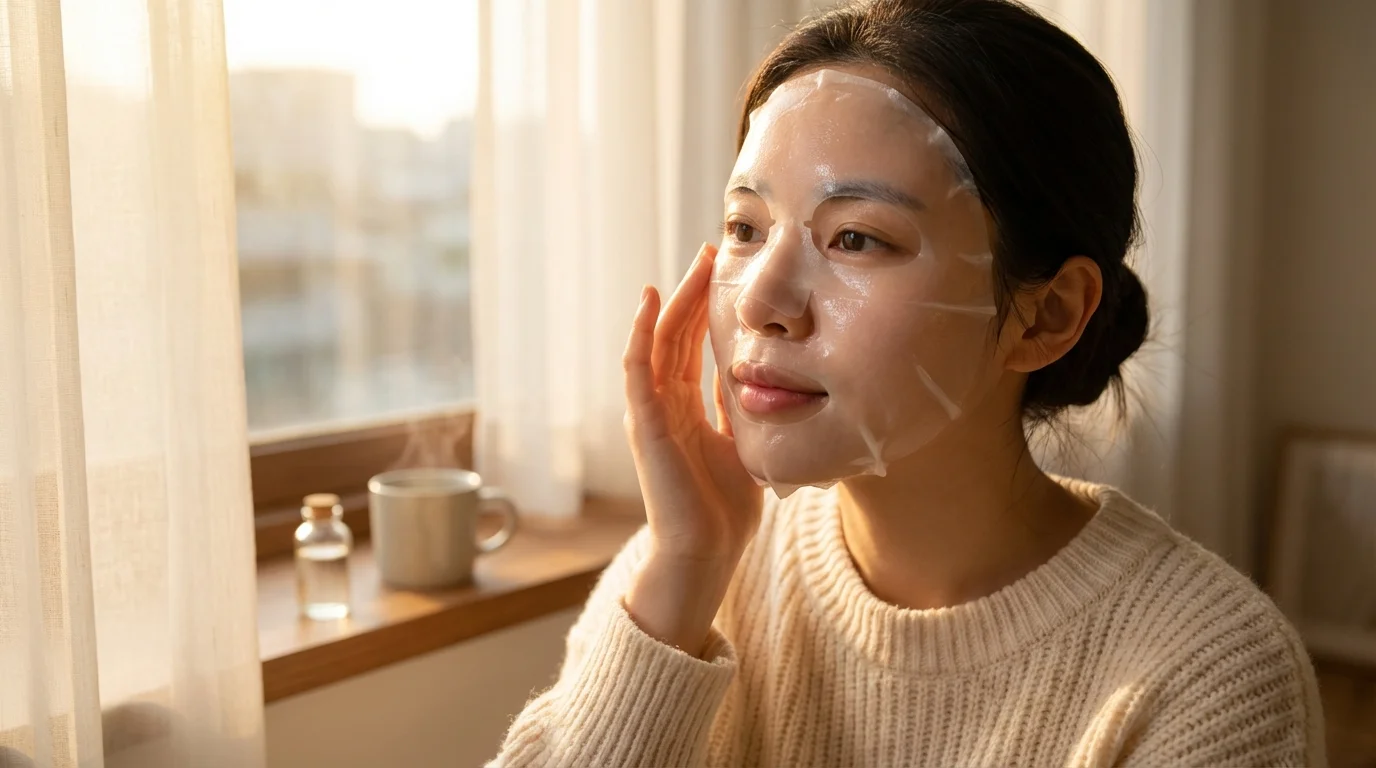
When redness, heat, rubbing, or post-cleansing sensitivity is the main issue, soothing sheet masks frequently make more sense than heavier hydration-focused ones. The goal here is not to force a dramatic result but to help the skin feel less irritated. It helps to notice whether the skin feels calmer while the mask is on and whether the rest of the routine stings less afterward.
This is also where a lower-irritation routine matters. If your skin has been reactive lately, pairing masks with the calmer structure in Gentle Skincare Routine Guide typically makes more sense than turning the mask into another strong treatment step.
When is the most practical time to use Korean sheet masks
Sheet masks typically fit best after cleansing and light skin prep, before stacking too many serums or richer treatment layers. If you load the skin with too many steps first and then add a mask, the routine can start feeling crowded instead of supportive. In practice, masks frequently work better as a selective step for dry days, irritated days, or when you want the skin to feel a bit more settled before makeup.
If you are also using pads that day, it helps to separate their jobs instead of making both steps do everything at once. That is why How to Use Toner Pads Properly Without Overdoing It pairs naturally with this topic.
Why is leaving a sheet mask on longer not automatically better
Once the mask starts drying out, keeping it on for much longer can leave the skin feeling less comfortable rather than more nourished. It may feel helpful at first, but if the face starts feeling tight, sticky, or overly coated, you have probably moved past the most useful window. A sheet mask is typically better as a short reset step than as something you try to stretch as long as possible.
This matters even more on sensitive days. Shorter, calmer use combined with a simpler routine typically gives the skin a more stable result than trying to squeeze out one big dramatic change.
What is the most reliable rule for choosing Korean sheet masks overall
The best Korean sheet mask is typically not the one with the loudest ingredient story. It is the one that leaves your skin less rough, less reactive, and easier to manage afterward. For dry skin, that may mean moisture that lasts. For irritated skin, it may mean less heat and less tightness. For combination skin, it may mean support without heaviness.
That is why choosing Korean sheet masks is less about memorizing one chart and more about reading what your skin wants that day. Once that part is clearer, you typically need fewer masks to make better decisions.
Why does reading skin condition frequently work better than reading skin type alone
Many people begin with dry, oily, or sensitive as fixed categories, but sheet masks frequently make more sense when skin condition is checked first. The same dry skin can feel tight one day and irritated the next. A combination skin type can still need hydration on one evening and a calmer soothing step on another. That is why condition-based choices typically feel more realistic than trying to assign one mask to your identity forever.
This also makes the category less expensive and less confusing. One hydrating direction and one soothing direction frequently cover most everyday situations if you know when each one fits. The problem is rarely a lack of options. It is typically a lack of clear decision logic.
How does sheet mask use change between morning prep and night care
Before makeup, a sheet mask is strongest as a brief smoothing step rather than a full treatment event. If the formula leaves too much residue or weight behind, the base makeup can start sliding or feeling crowded. In that setting, the best mask is frequently the one that quietly settles the skin surface instead of trying to do everything.
At night, the role changes slightly. The goal becomes less about makeup readiness and more about helping the skin feel recovered and less stressed. Even then, longer and heavier are not automatically better. The mask still has to leave room for the rest of the routine without making the face feel coated.
That difference helps a lot in real life. Morning sheet masking is typically about surface balance. Night sheet masking is more about support and comfort. Once that role split is clear, masks become much easier to use well.
Choosing Korean sheet masks starts with separating dehydration from irritation instead of treating every mask like the same moisture step.
Hydrating masks frequently suit tight and rough skin better, while soothing masks tend to work better on reactive days.
Sheet masks typically work best as a short support step, not as something to keep on as long as possible.