Seasonal K-fashion outfit ideas work best when the outfit starts from temperature, fabric weight, and indoor comfort instead of only from a seasonal color palette. Spring korean outfits, summer looks, and winter layering can share many wardrobe pieces, but they need different rules for breathability, insulation, and movement. This hub gives the seasonal framework first, then the later branch guides can narrow into spring daily styling, summer festival outfits, fall knit color, and winter layering rules.
What to check before planning seasonal K-fashion outfits
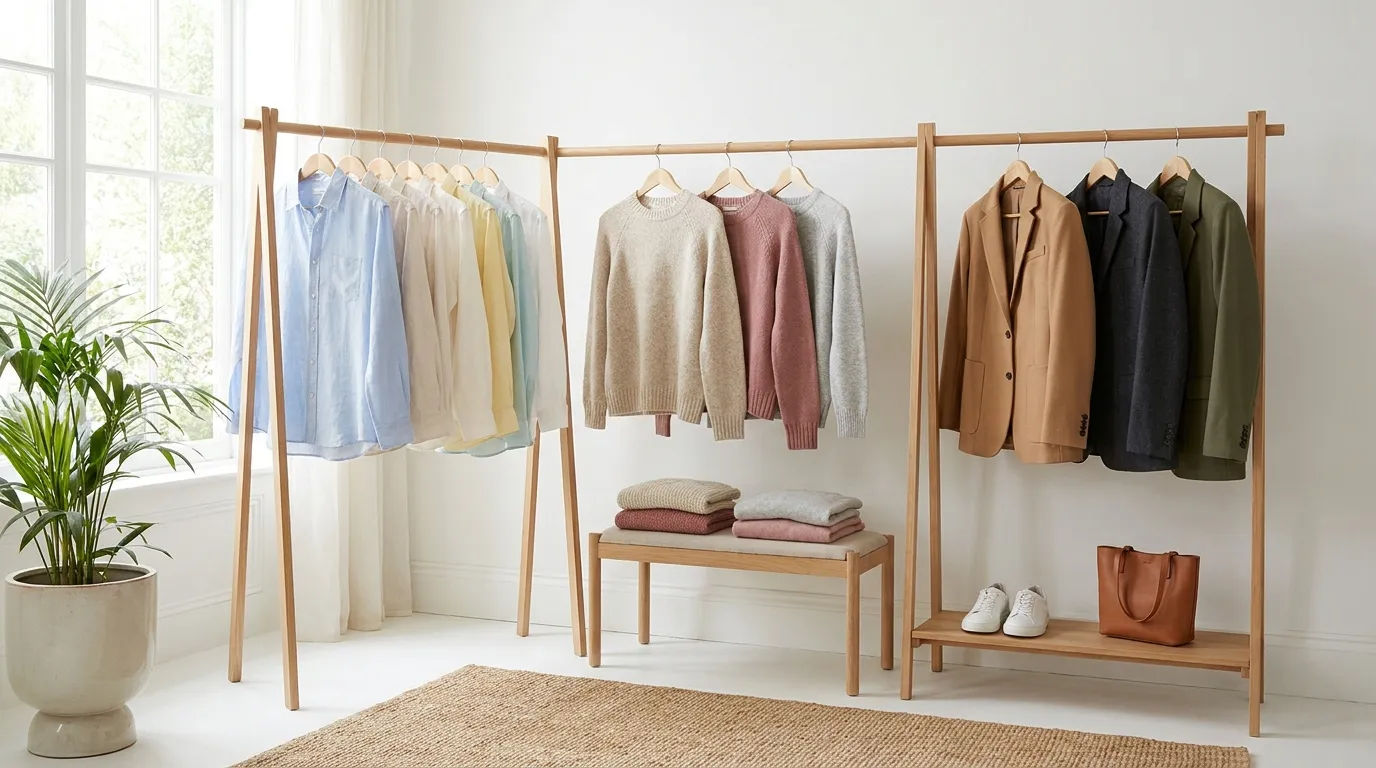
- Sort the temperature first: below 10°C, 11-17°C, 18-23°C, and above 24°C all need different outfit logic.
- Check indoor conditions: subway heat, cafe air conditioning, office heating, and long indoor stays change what feels wearable.
- Choose the fabric role: cotton, linen blend, nylon, knit, wool blend, and fleece all create different seasonal signals.
- Watch sweat, wrinkles, and static: each season creates a different maintenance problem.
- Check shoes and socks: ankle exposure, sock thickness, and toe shape can show the season faster than the top does.
Seasonal styling becomes difficult when the calendar leads the outfit. April can still feel cold in the morning. September can stay humid enough to make knitwear look too early. A more useful method is to decide what the outfit needs to survive: a chilly commute, a hot lunch hour, strong air conditioning, or a heated indoor space.
K-fashion does not require a completely separate closet for every season. Many of the same basics can repeat if the fabric weight and layering order change. If you want to understand the broader style families before adding seasonality, the K-Fashion Style Types from Y2K to Girl Crush hub is the best wider map.
Spring outfits need flexible layers before fresh colors
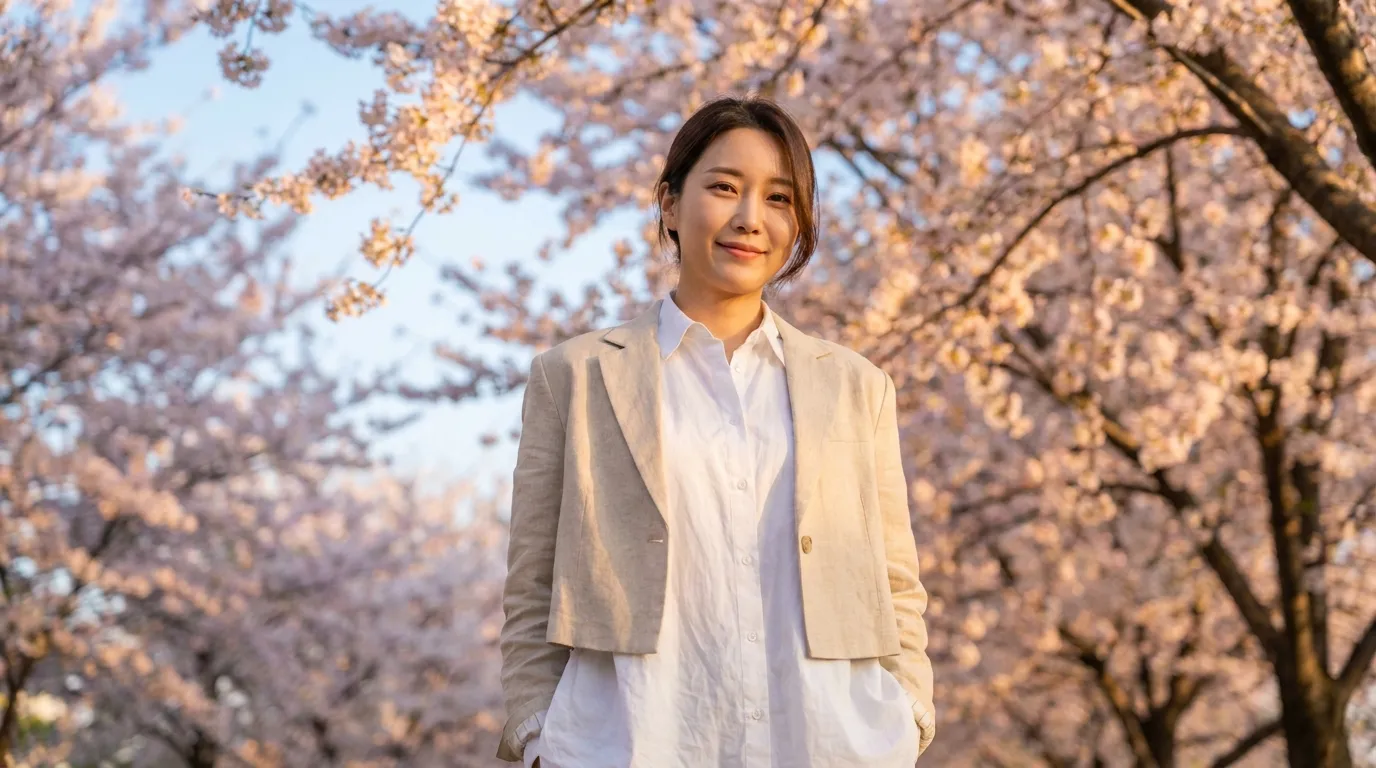
Spring korean outfits are linked with lighter colors, but the real styling problem is temperature change. A thick sweatshirt may feel fine in the morning and too heavy by noon. A thin tee under a jacket may look fresh but feel too cold after sunset. Between 11°C and 17°C, a thin long-sleeve top, shirt layer, or light jacket can work better than one heavy piece.
Color can stay soft without becoming overly sweet. Cream, light grey, sage, soft blue, and muted pink create a spring mood without making the outfit look childish. Black can still work, but it looks cleaner when kept to shoes, a bag, or a narrow belt instead of a large top-and-bottom block.
The best spring pieces are easy to remove and carry. A cotton shirt, light windbreaker, thin knit, cropped jacket, or soft cardigan can adjust through the day. The key is whether the outfit still looks complete after the outer layer comes off.
A common spring failure is a layer that only works in one state. If the jacket looks good but the inner top looks too weak alone, the outfit depends too much on one piece. If the inner top works but the jacket makes the arms tight, the layering order is wrong. Spring styling needs both versions to hold together.
Summer looks depend on airflow and visible maintenance
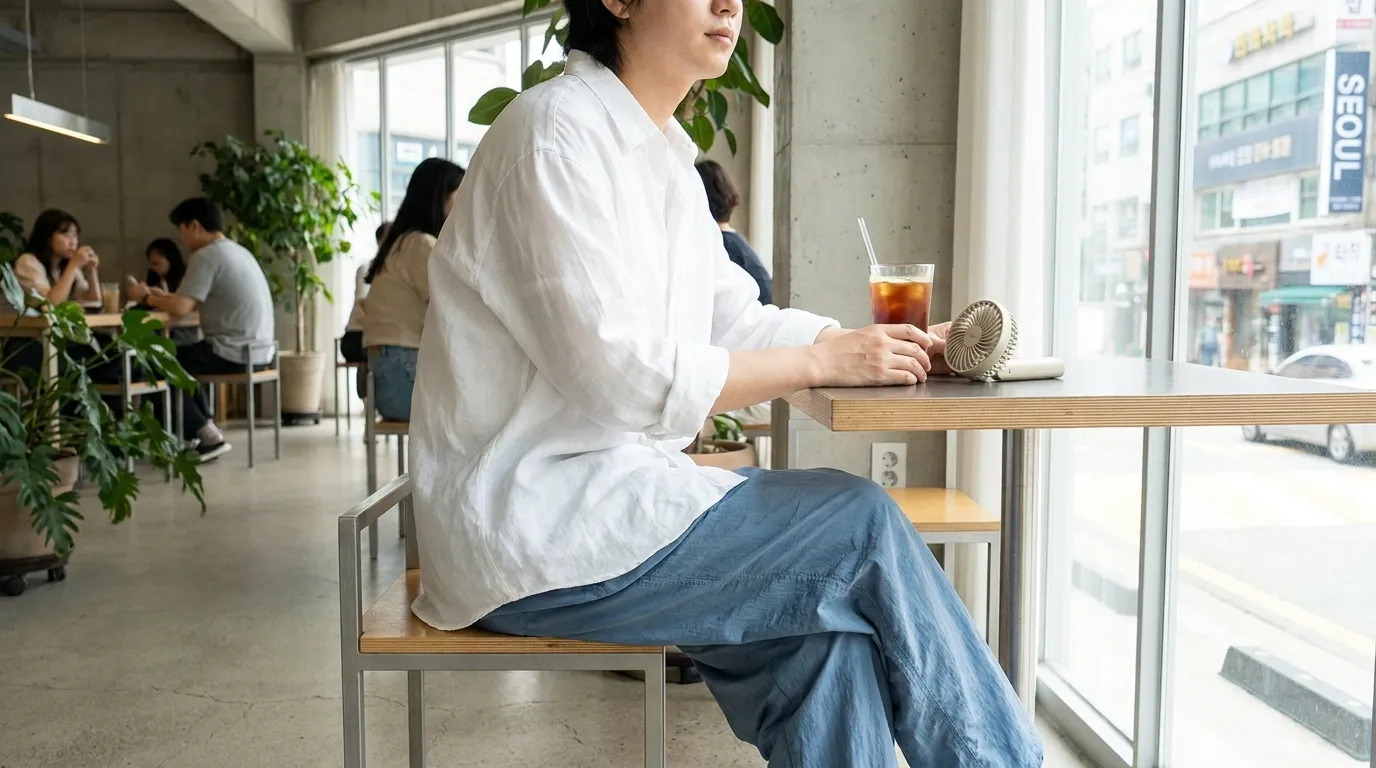
Summer looks should not rely only on shorter lengths. Airflow, sweat marks, sheerness, and wrinkle behavior matter more. Above 24°C, a slightly loose tee, light overshirt, linen blend, nylon skirt, or breathable wide pant can feel cleaner than tight cotton. In humid weather, heavy denim and thick black cotton can look dense even before the outfit feels uncomfortable.
White and pale colors look cool, but they need a sheerness check. Ivory, light grey, washed blue, and muted green are easier than stark white because they handle sweat, wrinkles, and inner layers with less contrast. If the top is pale, a darker bottom can stabilize the outfit.
Bags affect summer comfort too. A large crossbody bag can trap heat across the chest. A backpack can make the back look and feel damp. A small shoulder bag, compact crossbody, or hand-held mini bag suits long walks and outdoor plans more comfortably.
For festivals or long outdoor days, movement matters more than the first photo. A crop top with a very short bottom can feel unstable when sitting or moving through a crowd. Wide pants can look relaxed, but the hem should not drag on the ground. Summer styling needs to survive walking, sweating, sitting, and carrying small items.
Fall knit outfits start with thickness and neckline
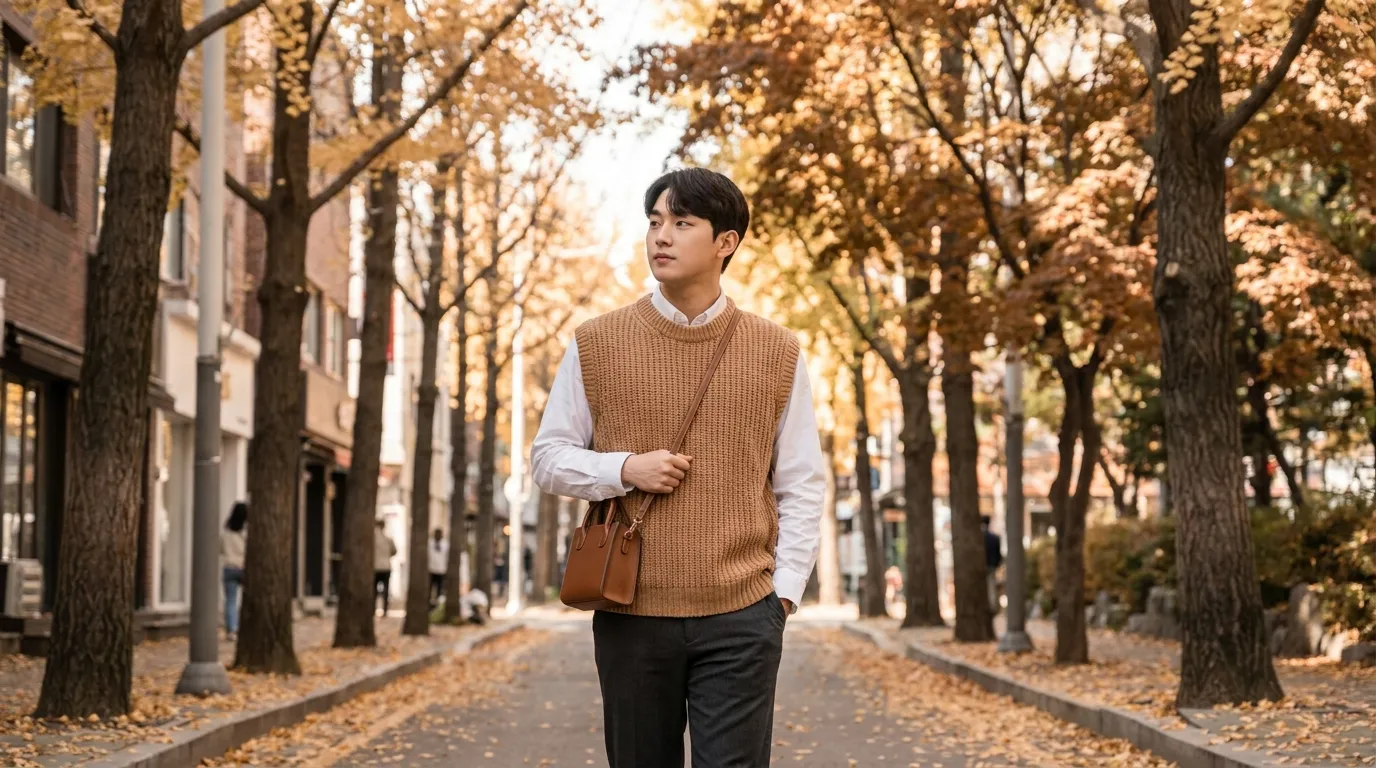
Fall knit outfits look natural when the knit weight matches the temperature. A heavy wool knit too early can make the outfit feel ahead of the season. Between 18°C and 23°C, a short-sleeve knit, knit vest, or thin cardigan can carry the fall mood without overheating. Between 11°C and 17°C, a long-sleeve knit and jacket combination becomes more useful.
Fall color can become muddy when too many warm tones appear at once. Brown, camel, burgundy, khaki, and charcoal all work, but they do not need to sit in the same outfit. Choose one warm color as the seasonal signal, then let ivory, grey, or denim give the look space.
Neckline changes the season more than people expect. A round neck feels softer, a V-neck lightens the upper body, and a turtleneck makes the season feel much stronger. If the hair color and top color are both dark, a high neckline can make the face area feel heavy. A lower neckline or lighter inner layer can solve that without changing the whole outfit.
Shoes and bags should balance the knit. Soft knitwear with loafers, low boots, or a structured bag reads more polished than soft items everywhere. If the knit is thick, reduce bag size. If the bag is soft and large, keep the knit lighter.
Winter layering works through order, not only thickness
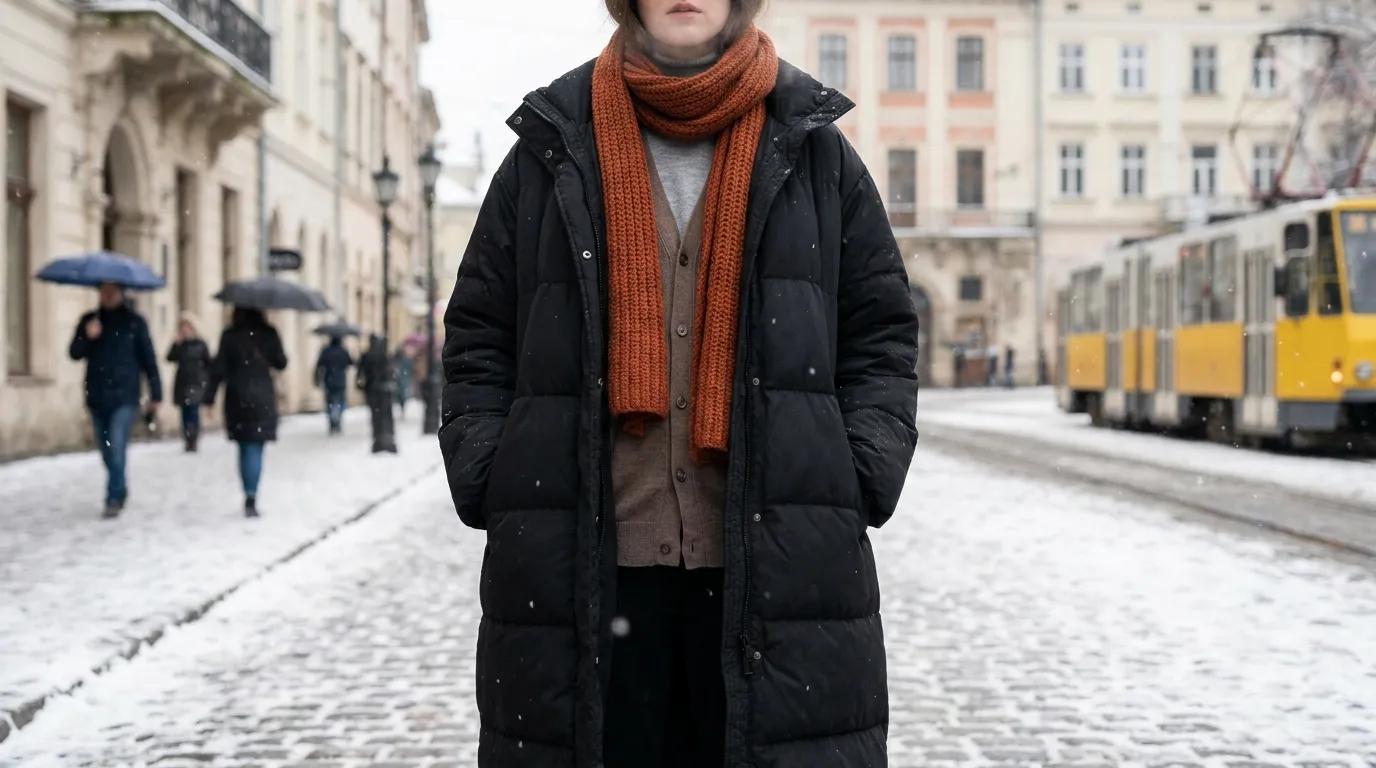
Winter layering is not solved by wearing the thickest item. Below 10°C, warmth matters, but indoor heating and transit time also matter. A thin inner layer, medium knit, outerwear, and removable accessories can work better than one overheated piece. The outfit should be adjustable once the person enters a subway, office, cafe, or restaurant.
Puffer styling depends on length and volume. A short puffer can keep the lower-body line visible, but it may need warmer pants or boots. A long puffer is warmer and easier for commuting, yet it hides most of the outfit. When the coat covers everything, the scarf, shoes, bag, and hair area carry much more visual weight.
Dark winter outfits need tonal separation. A black coat with a black knit and black pants can hide all structure. A charcoal knit, ivory inner layer, soft blue scarf, or grey bag can make the outfit easier to read while staying winter-appropriate.
The first winter failure signs appear around the arms and neck. If the sleeves feel tight under outerwear, the knit is too thick for that coat. If a turtleneck and scarf both crowd the face, remove one high layer. Winter outfits look better when warmth is distributed instead of piled in one area.
Seasonal transitions need a two-week closet overlap
The two weeks between seasons are where outfits become awkward fast. Spring to summer does not require removing every jacket immediately. Summer to fall does not require heavy knitwear on the first cool morning. Keeping transitional pieces visible for about two weeks makes the morning decision much easier.
Footwear should change gradually too. Sandals do not need to jump straight to boots. Sneakers with thin socks, loafers, and low boots create a smoother seasonal shift. In early fall, one of the most common mismatches is an autumn top with a summer-looking ankle and shoe.
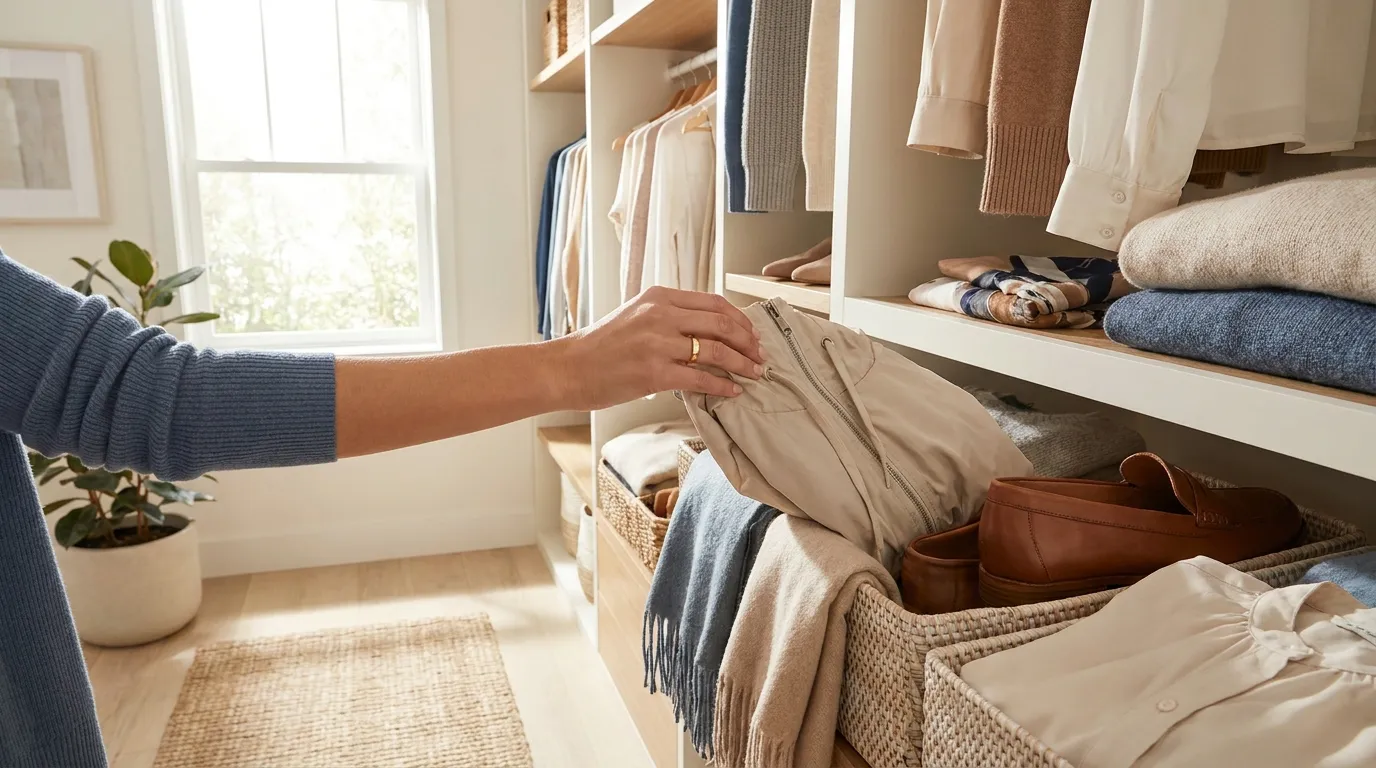
Storage affects the next season. Summer pieces should be washed before storage because sweat and sunscreen marks can settle into fabric. Knits need folded storage so shoulders do not stretch. Seasonal styling is also about whether the clothes come back in wearable shape when the weather changes again.
During transition weeks, it is better to buy one connector item than a full new seasonal outfit. A light jacket for spring, breathable top for summer, thin knit for fall, or warm inner layer for winter can fix more outfits than a trend piece with only one use.
What to reduce when seasonal styling looks too themed
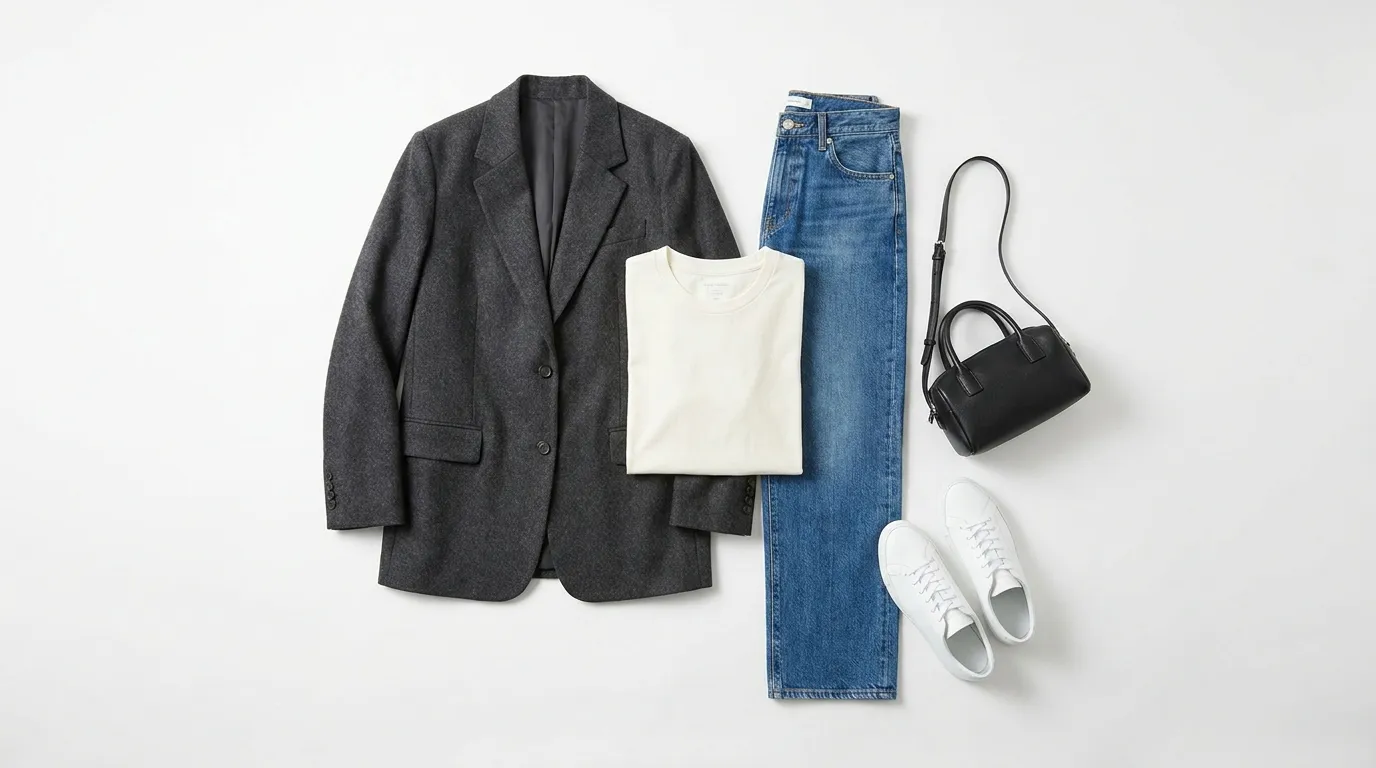
Seasonal outfits can look too themed when every signal appears at once. Spring can become too pastel. Summer can become too exposed. Fall can become too brown and checked. Winter can become too bulky with knit, puffer, scarf, and heavy boots all competing. One or two seasonal signals are enough.
Start by reducing color count. If sage is the spring signal, let the rest stay neutral. If washed blue carries summer, keep the shoes and bag simpler. If brown carries fall, avoid making every accessory brown too. If charcoal carries winter, add one lighter point near the face.
Then reduce fabric signals. Linen shirt, raffia bag, and sandals together may read too literally as summer. Wool knit, check skirt, and brown boots together can become a fall costume. If the fabric already speaks strongly, keep the color quieter. If the color speaks strongly, keep the fabric closer to a basic.
Layer count is the last check. More layers can look styled, but they can also make the outfit harder to wear indoors and heavier in photos. Seasonal K-fashion outfit ideas become more repeatable when they support the person's actual day instead of only proving the season.
Seasonal K-fashion outfit ideas work best when temperature, indoor comfort, fabric weight, and shoe choice lead before trend details.
Spring needs flexible layers, summer needs airflow, fall needs the right knit weight, and winter needs ordered layering rather than only thicker pieces.
Use one or two seasonal signals at a time so the outfit feels wearable instead of themed.