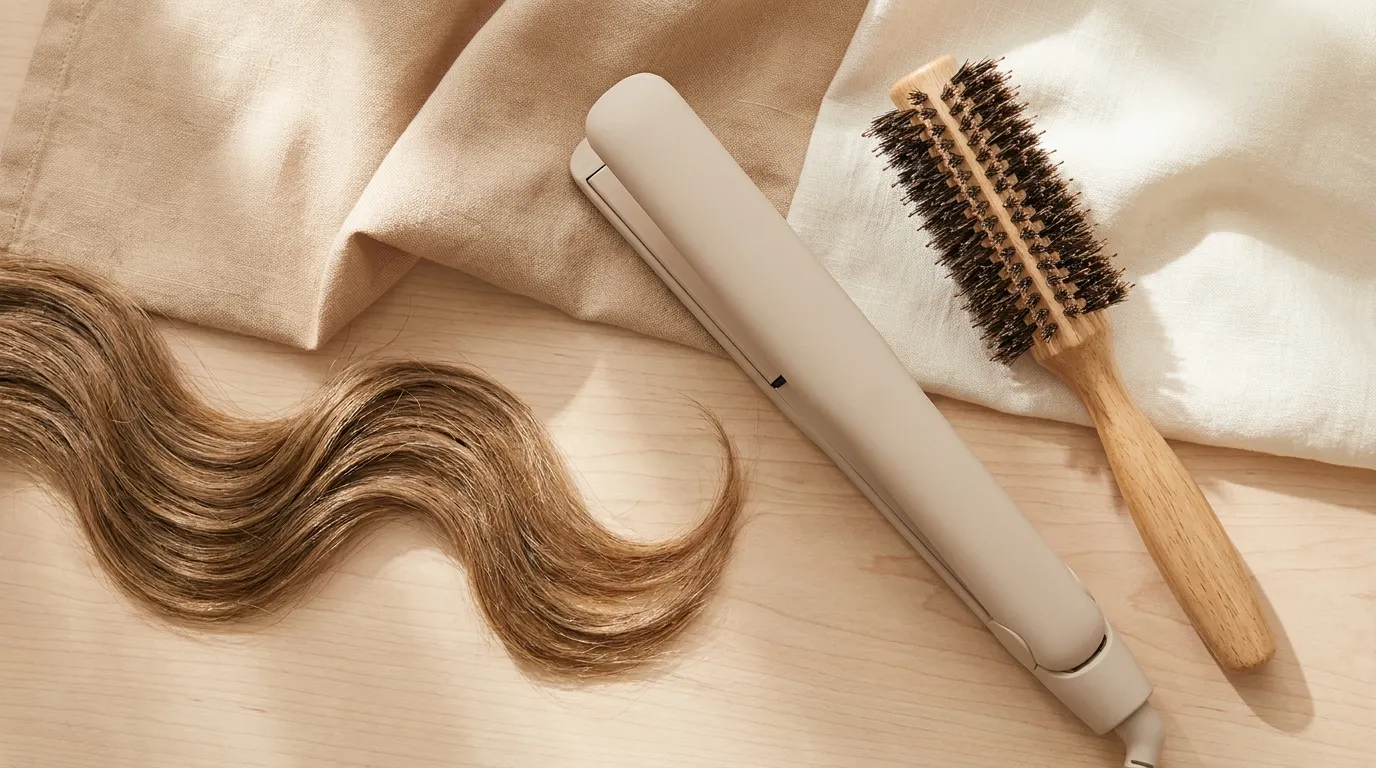
People usually search for hair styling tips when the same problem keeps repeating in the mirror. The roots collapse before lunch, bangs separate by midday, curls drop as soon as they leave the house, or the surface turns puffy the moment the weather gets damp. These are not all the same problem, so they should not be solved with the same routine. The useful starting point is to sort whether your main issue is root volume, fringe control, frizz management, or heat-tool order. This hub is the broad guide for doing that before you move into narrower sub-guides.
Pre-checks that make hair styling tips actually useful
- Check root direction first: a crown that naturally falls flat needs a different blow-dry pattern from hair that already lifts too much.
- Check bang behavior next: fast oil, easy center splitting, and strong growth direction all change the best bang routine.
- Check humidity response too: if your hair expands after a short commute, frizz control matters more than extra curl.
- Check your real morning time: a five-minute routine and a twenty-minute routine need very different styling advice.
Hair styling tips become much easier to use once you stop treating every bad hair day as one category. Some people mainly need height at the top. Others need the front to stay clean and separated in the right way. Some only struggle when the weather turns wet. A few can create a polished style at home, but cannot keep it looking stable after two hours outside. Each of those requires a different first fix.
That is why this hub does not begin with a list of products or one universal routine. It starts by narrowing the failure point. Once you know where the style collapses first, the later choices around tools, product weight, and styling order stop feeling random.
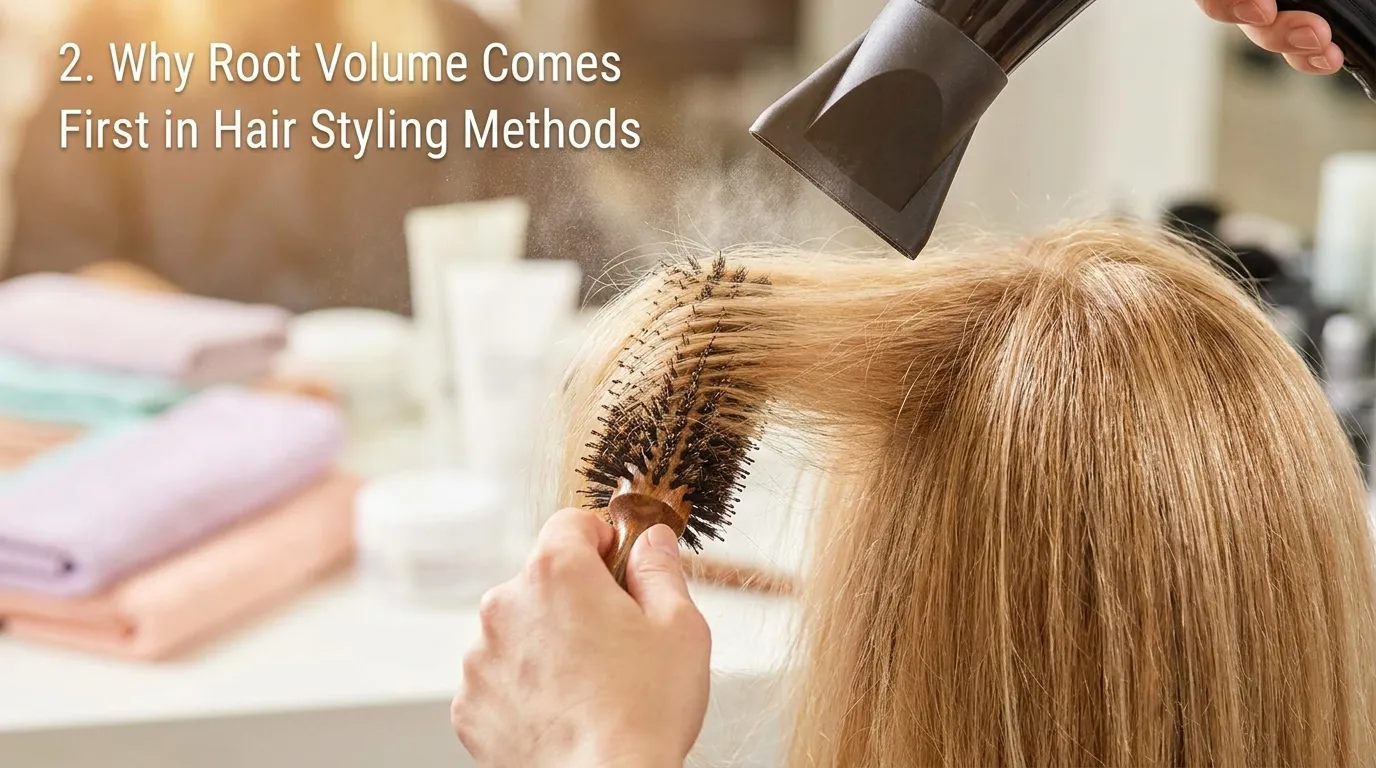
Root volume sets the silhouette before anything else
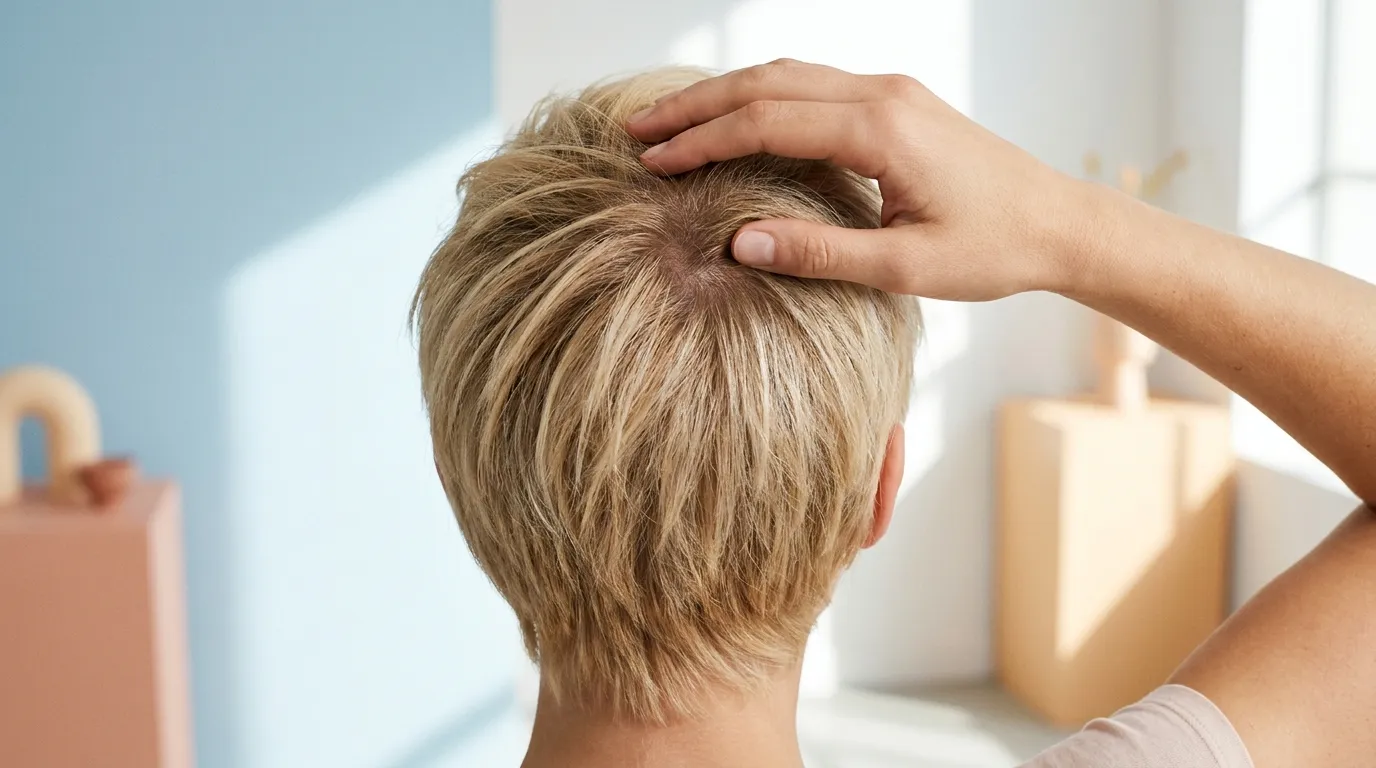
In most routines, roots decide whether the rest of the style will read clearly. If the top falls flat, curled ends often look disconnected, and the whole silhouette can drag downward around the face. That is especially common with straight hair, dense hair, or hair that dries smooth but heavy. On camera the ends may still look polished, yet the crown often reads much flatter than expected.
Root volume is not just about making hair bigger. It is about placing lift where the face needs it. If cheek width feels strong, a bit more controlled height at the crown can shift the eye upward. If the face already reads long, too much height without balancing the front can make the proportions feel less stable. Useful hair styling tips always connect volume placement to facial balance, not just to size.
A practical detail matters here: many people create heat at the root but skip the cooling stage. That is why the hair rises for ten minutes and then drops. Whether you use a round brush, a roller, or clips, the shape usually settles during cooling. If that step is missing, the result tends to collapse quickly even when the technique looked correct in the moment.
This is also where haircut structure starts to matter. A shape that carries volume well will respond better to the same tool. If you want to read styling together with cut logic, Korean Haircut Ideas for Hush Cuts Layers and Better Bangs is the most useful adjacent hub.
Bangs usually fail as a structure problem, not a trend problem
Bangs often get treated as a visual choice first, but in daily life they usually fail because the roots separate in a predictable way. The center opens, one side lifts, or forehead oil makes the inner strands stick together. That is why practical hair styling tips for bangs start with failure patterns instead of with reference photos.
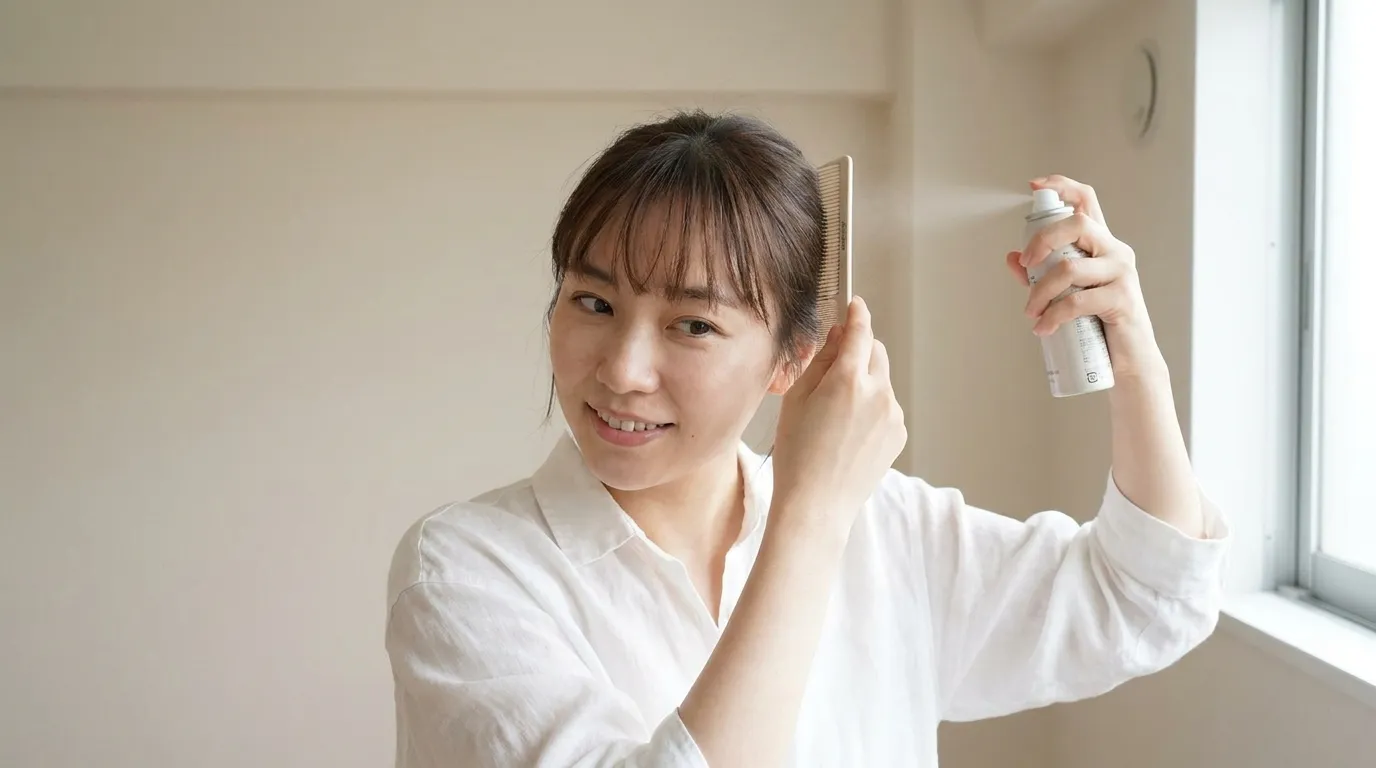
Hair weight changes the answer too. Fine bangs separate quickly under creams or oils. Thick stiff bangs may barely move with only a mist, which means directional heat-setting matters more than extra product. The same "bang styling" label can therefore point to opposite maintenance choices depending on density and movement.
The useful question inside this hub is not how to perfect every bang type. It is whether your front section collapses because of root direction, oil, humidity, or simple excess product weight. Once that is clear, the narrower guide is easier to choose and the routine stops turning into random trial and error.
Bang choice and bang styling also overlap. See-Through Bangs vs Curtain Bangs becomes the natural next read when you want to know which bang type is more likely to stay good with your forehead space, center split, and daily routine.
Frizz control changes the whole styling plan on damp days
Frizz-prone hair cannot be judged only in a dry room. Hair that looks calm indoors can spread outward the moment it meets summer air, subway humidity, or light rain. In those cases, the issue is rarely a lack of styling effort. It is usually that the surface is still open enough to absorb moisture fast, so the shape starts to blur no matter how well the first finish looked.
That is why frizz control changes the order of operations. Instead of asking how to add more curl, it becomes more useful to ask how to reduce friction, when to detangle, how early to add a lightweight serum, and where to place hold products so the outer layer stays cleaner. On humid days, polished surfaces often matter more than bigger shapes.
The answer is not always "use heavier products." Fine hair can go limp and greasy-looking by the afternoon if too much oil sits on the surface. Dense hair can puff right back out if the products are too light to control the outer layer. Good hair styling tips for frizz therefore depend on matching product weight to density and weather, not on treating every textured surface the same way.
Using a broad style tool can help with overall mood direction first, but humidity-sensitive hair is usually decided by maintenance behavior rather than by one polished reference image. If your style expands after short outdoor exposure, surface control and reduction of drag matter more than adding another curl step.
Ingredient structure changes the result before the tool even starts
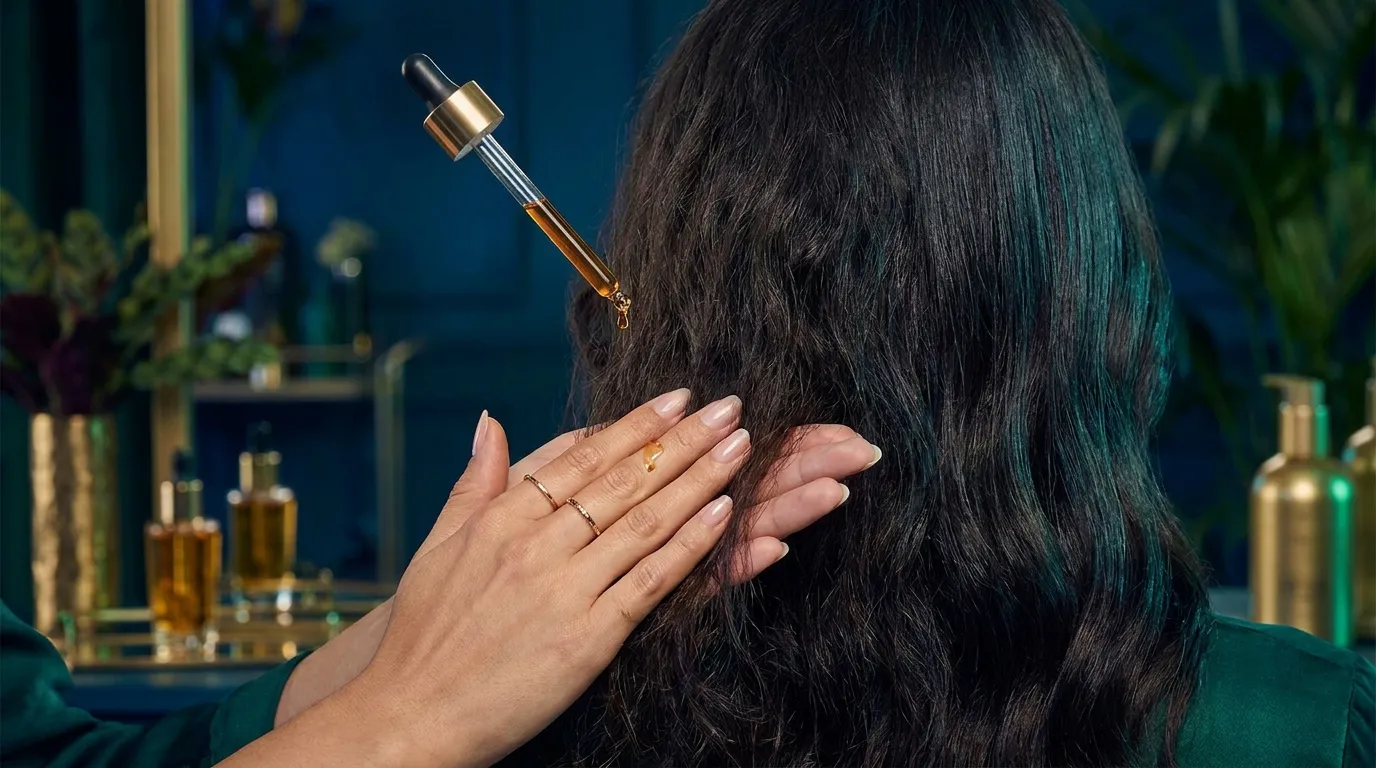
Hair styling tips sound abstract until you look at ingredient structure. Root-lift routines often work better with lighter polymers such as PVP or VP/VA copolymer, because they give the crown some memory without coating the scalp area too heavily. Surface-smoothing routines often depend on dimethicone or amodimethicone, which reduce drag and help keep the outer line cleaner once the hair starts rubbing against humidity, collars, or bags.
Damage level changes the supporting ingredients too. Hair that roughens quickly under heat often benefits from panthenol, hydrolyzed keratin, or similar support ingredients somewhere in the routine, because the issue is not only shape but also how fast the cuticle starts looking dry and swollen. Using a rich cream everywhere, however, can flatten the exact areas where lift is supposed to survive.
That is why product choice should follow the failure point. If the crown drops, polymer support near the roots matters more. If the outer layer spreads, silicone placement matters more. If the ends roughen under heat, protein and slip become part of the styling conversation rather than a separate "repair" topic.
Curling iron styling depends more on heat order than on curl shape
Many people focus on barrel size or curl direction too early. The more important issue is whether the hair was ready for heat in the first place. If sections still hold hidden moisture, if no protector was used, or if the same piece gets pressed again and again, the shape may appear quickly but the texture often turns rougher and the curl drops sooner later in the day.
Curling iron styling usually works best when the order is controlled. First create enough structure at the roots and around the face. Then define a few visible front pieces as reference points. Only after that should the rest of the hair be balanced in relation to those sections. Starting everywhere at once often creates a style that looks overworked at the front and heavy at the ends.
Hair that loses curl quickly is not always asking for higher heat. Often it needs smaller sections and a real cooling phase. Hair with existing damage may react badly to stronger temperatures, showing stiffness before it shows shape. In that case, smoothing the line or bending the ends slightly is often more flattering than forcing a dramatic curl pattern.
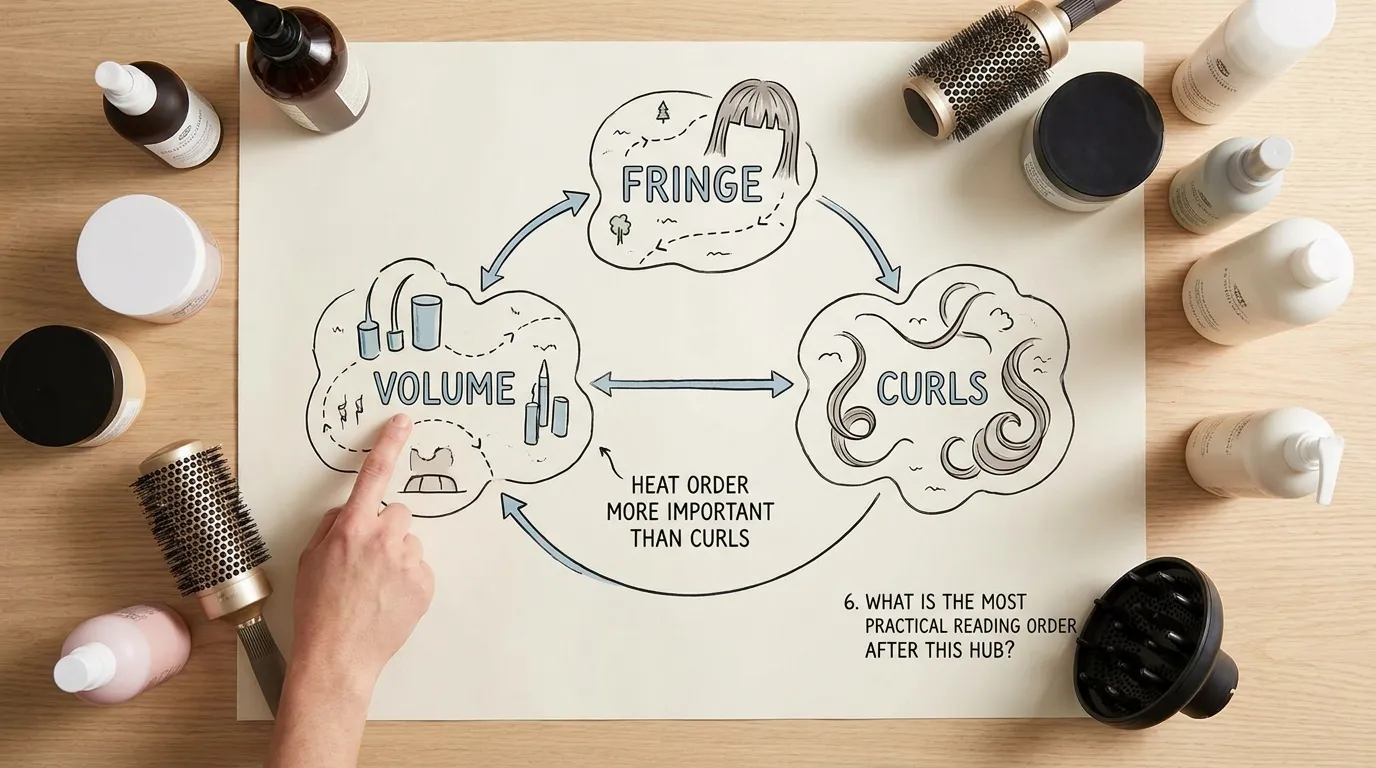
This is another reason the hub order matters. Volume, bang hold, and frizz behavior usually decide whether curling iron effort will pay off. If those first layers are unstable, the final curls tend to feel like extra work without enough visual return.
The most practical reading order after this hub
If your biggest complaint is a flat crown or a top section that collapses too fast, start with the root-volume route first. A better top silhouette usually improves everything else immediately, including how the face looks in photos. If the real issue is a fringe that separates or bends the wrong way by midday, bang styling should come first instead.
If your hair spreads in damp weather, skip ahead to frizz control logic before you spend more time on curls. A style that cannot survive humidity will always feel unstable, no matter how polished it looked right after the mirror check. Once the surface behaves better, curls and front pieces become much easier to maintain.
If you want to connect styling with the bigger image, Hair Color Ideas by Skin Tone and Popular Korean Shades and Korean Haircut Ideas for Hush Cuts Layers and Better Bangs are the most useful follow-up hubs. Styling, cut shape, and color depth change the same overall impression, so reading them together usually leads to fewer trial-and-error choices.
The most useful hair styling tips begin by identifying where the style fails first: roots, bangs, humidity response, or heat-tool hold.
Root volume shapes the whole silhouette, bangs are usually a hold problem, and frizz control often matters more than extra curl on humid days.
This hub works best when you move next into the one narrow problem that actually causes your style to collapse first.